

You want to protect your child’s teeth before problems start. Dental sealants can shield back teeth from decay, but many parents wait until there is a cavity. That delay can lead to pain, missed school, and costly treatment. You can spot warning signs early. When you know what to look for, you can ask about sealants at the right time. A dentist in Wayne, PA can check your child’s mouth and explain if sealants make sense. This blog walks through three early signs that your child might benefit from this simple treatment. You will see how everyday habits, tooth shape, and early wear can point to risk. You will also learn how sealants work and what to expect during a visit. With clear information, you can act fast and give your child strong protection during the key years of growth.
What Dental Sealants Do For Your Child
Sealants are thin coatings that a dentist places on the chewing surfaces of back teeth. These teeth are your child’s molars and premolars. The coating covers the deep grooves where food and germs collect. You still need brushing and flossing. Yet sealants give a strong shield in the spots that are hardest to clean.
The Centers for Disease Control and Prevention explains that sealants can prevent up to 80 percent of cavities in back teeth for the first two years after placement.
Now you will see three early signs that your child may need this protection.
1. Deep Grooves And Pits In Back Teeth
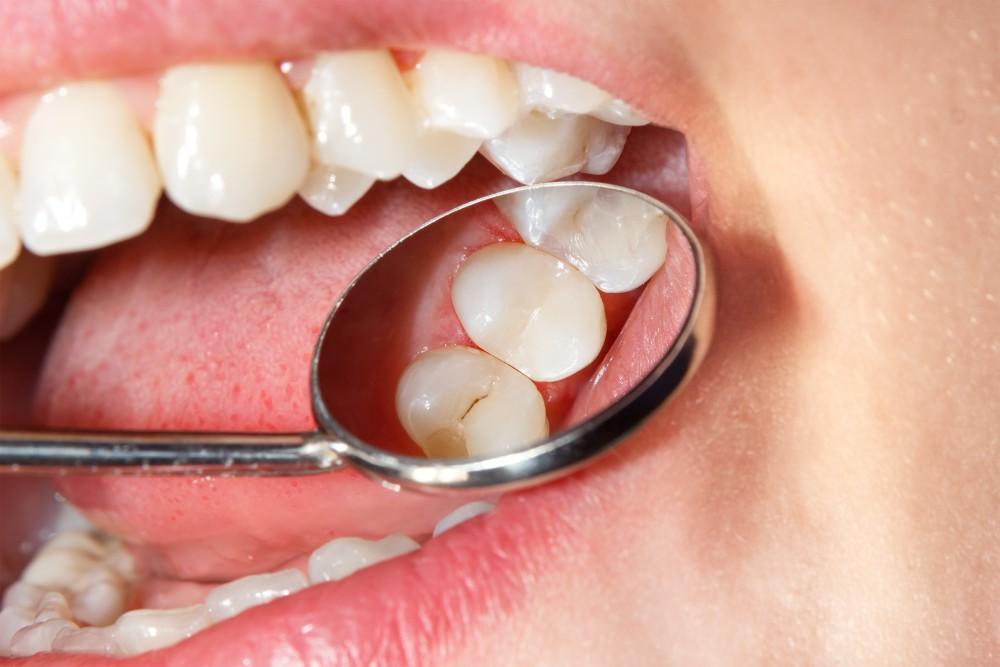
The first sign is right on the tooth surface. Look at your child’s back teeth in good light. You might see:
-
Sharp, deep grooves that look like tiny canyons
-
Small dark lines in the center of the chewing surface
-
Pits that trap food even after brushing
These grooves catch sticky snacks and sugar. Saliva and toothbrush bristles do not reach into every corner. That trapped food feeds germs. The germs then create acid that weakens enamel.
You should pay extra attention when permanent molars come in. The first permanent molars usually appear around age 6. The second set appears around age 12. Those years carry a high risk for cavities.
The American Dental Association explains that sealants work best on these fresh permanent molars.
2. Frequent Snacking And Sugary Drinks
The second sign sits in your kitchen and in your child’s backpack. Eating and drinking patterns change the risk for cavities. You might see that your child:
-
Sips juice, sports drinks, or soda through the day
-
Eats sticky snacks like gummies, fruit snacks, or caramel
-
Chews starchy snacks like crackers or chips between meals
Each time your child eats or drinks sugar, acid attacks the teeth for about 20 minutes. If snacks come often, the mouth does not get a break. The enamel then softens. Deep grooves and constant sugar form a harsh mix.
You can lower risk when you:
-
Offer water between meals
-
Keep sweets with meals instead of all day
-
Limit drinks with added sugar
Yet even strong changes at home cannot erase all risk. If your child has frequent snacks and deep grooves, sealants can act as a backup shield.
3. Early Signs Of Wear Or Spots On Teeth
The third sign shows up as early damage. You might notice:
-
White chalky spots along the grooves of back teeth
-
Brown or dark stains that do not brush off
-
Rough or uneven spots on chewing surfaces
White spots can mean the enamel is starting to lose minerals. Stains in grooves can signal that germs have lived there for some time. Rough spots can show early breakdown. These are red flags. Your child might not feel pain yet. You still have time to act before a full cavity forms.
Sealants will not fix a deep cavity. Yet a dentist can treat weak spots and then place sealants on at-risk teeth to stop new damage.
How Sealants Compare To No Sealants
You may want to see how sealants stack up next to regular care alone. The table below shows a simple comparison. It uses findings that match patterns seen in national oral health surveys for school-age children.
What To Expect When Your Child Gets Sealants
The sealant visit is simple for most children. You can prepare your child by walking through the steps.
First, the dental team cleans each tooth. Your child then rinses. Next, the dentist places a gentle gel on the chewing surface to help the sealant bond. The tooth is rinsed again and dried. Then the liquid sealant is painted onto the grooves. A special blue light may shine on the tooth to harden the coating. Your child can eat after the visit.
Sealants can last several years. The dentist will check them at each routine exam. If a part chips, the dentist can repair it.
How You Can Take Action Today
You can watch for three things. Look for deep grooves. Notice snacking and drink habits. Check for early spots or stains. If any of these signs show up, schedule an exam and ask about sealants.
You can bring questions such as:
-
Which teeth are at the highest risk for cavities
-
When permanent molars came in or will come in
-
How long sealants usually last for children in this office
You protect your child every day in many ways. Sealants are one more shield that can prevent pain and stress. With early attention and clear questions, you give your child a stronger chance for a healthy smile through childhood and beyond.
