

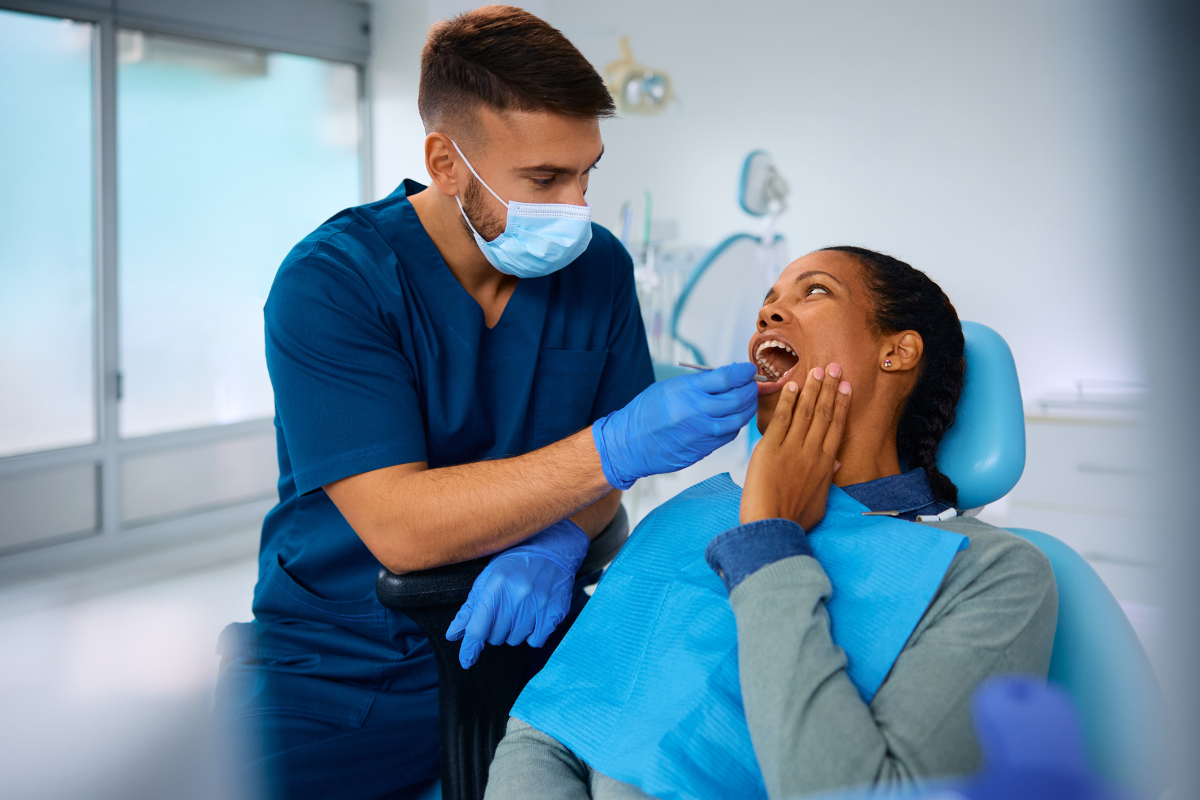
Dental pain often hits fast. You may wake up with a swollen face, break a tooth at work, or see your child fall and crack a front tooth. You need help right away. A family dentist can handle many of these emergencies. You do not always need a hospital visit. Instead, you can call your regular office and ask for urgent care. Many family practices leave room in the schedule for same day treatment. A Southeast Portland dentist can treat severe toothaches, broken or knocked out teeth, lost fillings, and infections that cause pressure and swelling. You get care from someone who already knows your history. That can lower fear and speed treatment. This blog explains what counts as a dental emergency, what your family dentist can do, and how you can prepare before pain or trauma hits.
What Counts As A Dental Emergency
Some problems cannot wait. You should call a family dentist right away if you have any of these three situations.
- Strong, nonstop tooth pain that keeps you from sleeping or working
- Swelling in your face or gums, especially with fever or trouble swallowing
- Knocked out, cracked, or loose adult teeth
You should also seek quick help if you have:
- Bleeding in your mouth that will not stop after 10 to 15 minutes of pressure
- Broken fillings, crowns, or braces that cut your cheek or tongue
- Sudden sharp pain when you bite or drink cold or hot liquids
The American Dental Association explains that pain, swelling, or infection can turn serious if you wait.
Common Emergency Dental Services From Family Dentists
Family dentists plan for the unexpected. They keep space for urgent visits and train staff to act fast. Here are three common services you may receive.
1. Treatment For Toothaches And Infections
Tooth pain often comes from deep decay, cracked teeth, or gum infection. A family dentist can:
- Take an X ray to find the cause of pain
- Open the tooth to drain infection or ease pressure
- Place a filling or temporary crown
- Start a root canal to save the tooth when decay reaches the nerve
- Prescribe antibiotics when there is spreading infection
Quick care can prevent the need for tooth removal. It can also lower the risk of infection spreading to the jaw or neck.
2. Care For Broken, Chipped, Or Knocked Out Teeth
Sports, falls, and accidents can damage teeth. A family dentist often can:
- Smooth small chips and use bonding to fix the shape
- Place a crown on a badly broken tooth
- Replant a knocked out tooth if you get to the office within one hour
You should pick up a knocked out tooth by the crown, not the root. You should rinse it gently with clean water. Then you should place it back in the socket if you can. If you cannot, you should store it in milk and get to the dentist fast. The quicker you act, the higher the chance the tooth can be saved.
3. Fixing Lost Fillings, Crowns, And Dental Work
A lost filling or crown can feel scary and painful. Air, cold, or sweet foods can hit the inner part of the tooth. A family dentist can:
- Replace a lost filling
- Cement a crown back in place if it still fits
- Make a new crown if the old one is damaged or does not fit
- Clip or adjust broken wires that cut your cheeks
Temporary dental cement from the store may help for a short time. You should still call your family dentist as soon as possible.
When To Go To The Emergency Room Instead
Sometimes you should go to the emergency room first. You should seek medical care right away if you have:
- Swelling that reaches your eye, neck, or makes it hard to breathe
- High fever with mouth infection
- Jaw injury after strong impact or car crash
- Uncontrolled bleeding from the mouth
The Centers for Disease Control and Prevention explain that untreated tooth decay and infection can affect eating, speaking, and learning. You can see more at CDC Oral Health Fast Facts.
What To Expect During An Emergency Visit
During an emergency visit, the team will move fast but stay calm. You can expect three steps.
- Assessment. The dentist asks when the problem started and checks for swelling, broken teeth, or bleeding.
- Tests. X rays or other checks show hidden cracks, deep decay, or infection.
- Relief. The dentist focuses on stopping pain, protecting the tooth, and preventing infection from spreading.
You may not receive final treatment that day. Often you get a temporary fix and a follow up visit for long term care.
Comparison Of Common Dental Emergencies And Responses
| Problem | What You Feel Or See | Home Steps Before Visit | Usual Dentist Response |
|---|---|---|---|
| Severe toothache | Throbbing pain, hard to sleep or eat | Rinse with warm salt water. Use cold pack on cheek. Take over the counter pain medicine if safe. | Exam, X ray, remove decay, start root canal or place filling, pain relief. |
| Knocked out tooth | Gap in smile, bleeding, shock | Hold tooth by crown. Rinse gently. Place back in socket or store in milk. Call at once. | Try to replant tooth, splint to nearby teeth, plan follow up checks. |
| Broken tooth | Sharp edge, pain when biting | Rinse mouth. Save pieces if you can. Cover sharp edge with wax or sugar free gum. | Bonding, filling, or crown. In some cases root canal or removal. |
| Lost filling or crown | Sensitive tooth, hole or loose cap | Keep crown if it came out whole. Avoid chewing on that side. | Clean and recement crown if it fits. Place new filling or crown if needed. |
| Abscess or swelling | Bump on gum, bad taste, swelling, fever | Rinse with warm salt water. Do not press on the swelling. | Drain infection, start antibiotics, plan root canal or removal. |
How To Prepare Before An Emergency Happens
You cannot predict every injury. You can still lower stress and damage with three simple steps.
- Save your dentist contact information in your phone and on the fridge.
- Ask your family dentist about after hours or weekend emergency options.
- Keep a small dental kit with gauze, a small container with lid, and pain medicine that your doctor says is safe.
For children in sports, you should ask about custom mouthguards. For older adults, you should keep denture and crown care instructions in an easy place.
Why Using A Family Dentist For Emergencies Matters
A family dentist knows your health history, medicines, and fears. That knowledge matters when you are in pain and feel scared. You do not need to explain past work or old problems. The office already has records and X rays. That saves time and cuts risk of mistakes.
You also keep care in one place. Your dentist can move from emergency relief to long term repair. That may protect your teeth, your sleep, and your budget. Pain will push you to act. Planning with your family dentist today will help you act with control instead of panic when the next dental emergency hits.
