

You invested time, money, and trust to repair your smile. Now you need to protect that work every single day. Restorations and cosmetic treatments can last for many years when you care for them with purpose. They can also chip, stain, or fail fast when you do not. This guide gives you clear steps to keep crowns, veneers, bonding, and whitening looking strong and clean. You learn how to brush, floss, eat, and drink in a way that respects the work in your mouth. You also see when to call your dentist in Canmore before a small problem becomes a cracked tooth or loose crown. Your smile is more than looks. It shapes how you speak, eat, and face other people. You deserve to keep that strength. These six tips help you do that with less stress and fewer emergencies.
1. Brush and floss with care every single day
Good home care keeps your dental work stable. You protect both the tooth and the work on top of it.
- Brush twice a day for two minutes
- Use a soft toothbrush and gentle pressure
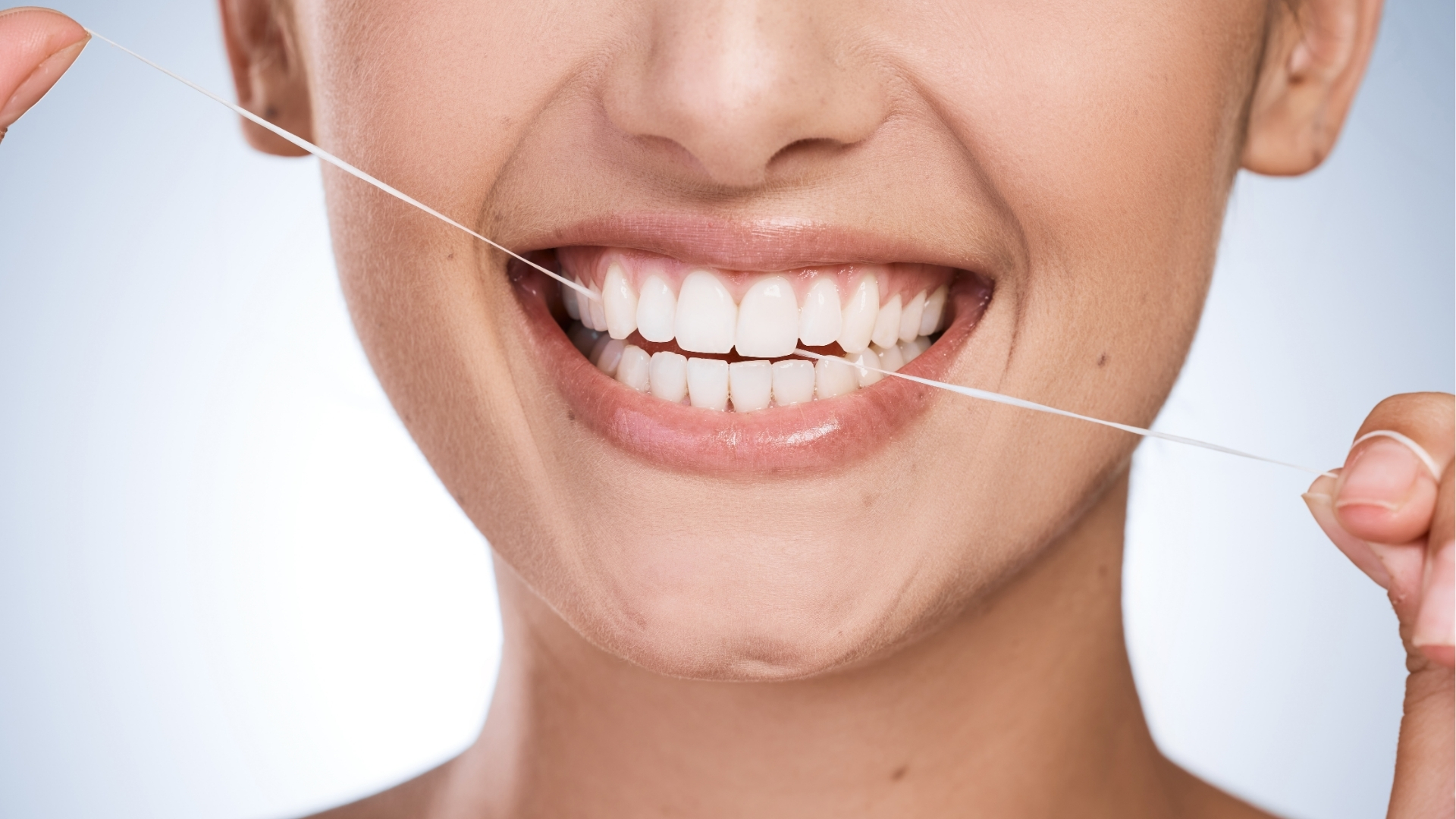
- Floss once a day around every tooth and under bridges
Hard brushing can scratch veneers and crowns. It can also wear the edge where the crown meets the tooth. That weak edge can trap food and germs. You then risk decay under the work.
You can use fluoride toothpaste unless your dentist says otherwise. Fluoride helps protect the tooth under fillings and crowns. The Centers for Disease Control and Prevention explains that fluoride lowers your risk of decay. Less decay means fewer new drills near your existing work.
2. Choose what you eat and drink with thought
Your daily food and drink can stain or weaken restorations. A few changes protect your smile without harsh limits.
- Limit dark drinks like coffee, tea, red wine, and cola
- Rinse with water after you drink them
- Cut back on sticky candy and hard sweets
- Keep sugary snacks to mealtimes
Hard foods can crack porcelain or chip bonding. Sticky snacks cling to the edges of fillings and crowns. They feed germs and raise decay risk.
Acidic drinks like sports drinks and soda soften tooth surfaces. That wear can show at the edge of veneers and crowns. Over time you might see a dark line or feel a rough ridge.
Common habits and their effect on dental work
| Habit | Effect on restorations | Better choice
|
|---|---|---|
| Slow sipping soda all afternoon | Higher risk of decay at filling and crown edges | Drink soda with a meal. Then drink water |
| Chewing ice cubes | Chips on veneers and porcelain crowns | Drink cold water without chewing ice |
| Daily hard candy | Cracks in fillings and broken teeth | Soft fruit or yogurt at snack time |
| Nightly red wine without rinsing | Stains on bonding and whitening | Rinse with water after drinking |
3. Stop using teeth as tools and manage grinding
Many people damage their dental work with force. Often it happens during routine tasks.
- Do not open packages with your teeth
- Do not crack nuts or chew on pens
- Tell your dentist if you clench or grind
Grinding at night can crack fillings and loosen crowns. It can also wear down veneers until they look shorter and rough. A custom night guard spreads the force. It protects both natural teeth and restorations.
The National Institute of Dental and Craniofacial Research notes that heavy bite forces often lead to worn or cracked teeth. You can control that with a guard and with stress care during the day.
4. Keep regular checkups and cleanings
Routine visits catch small problems before they hurt or show. You save your dental work and avoid larger treatment.
- Plan a checkup and cleaning every six months unless told otherwise
- Tell your dentist about any change in bite or sharp edge
- Ask for a review of each crown, veneer, and filling
Your dental team checks for cracks, loose spots, decay at edges, and stain. They also clean gently around your work. They may use special tools or paste to avoid scratching porcelain or bonding.
Routine care is more effective after treatment. Your dentist knows your mouth and can track changes over time. That record helps spot trouble early.
5. Use safe whitening and avoid harsh products
Many people want their dental work to stay bright. Some products can harm it.
- Avoid very abrasive whitening toothpaste
- Do not use home bleach without dental advice
- Ask your dentist which products are safe for your work
Whitening gels do not change the color of crowns, veneers, or bonding. If you bleach your natural teeth, old work may look darker. You may then need new work to match. Harsh pastes can scratch the surface of restorations. Scratches trap stain and make the work look dull.
You can keep color more even by planning whitening before new cosmetic work. Then you match crowns and veneers to a shade you already like.
6. Watch for early warning signs and act fast
Small changes often show before a restoration fails. You protect your mouth when you notice and act.
- Sensitivity to hot, cold, or sweet near a crown or filling
- Food catching between teeth where it did not before
- A rough edge on a veneer or chipped bonding
- A change in how your teeth touch when you bite
Do not wait for pain. A loose crown or cracked filling can let germs reach the inner tooth. That can mean root canal treatment or even loss of the tooth. A quick visit often allows a simple fix or polish.
Putting it all together for your family
You protect your restorations when you focus on three core habits. You clean gently every day. You avoid strong forces and harsh products. You keep regular visits and respond to early signs.
These steps help every person in your home. Children with fillings. Adults with crowns or bonding. Older family members with bridges or implants. You lower stress and cost when you care for the work you already have.
Your smile is part of how you move through the world. Care for it with steady, simple habits. Then your restorations and cosmetic dental work can last for many years with less fear and fewer urgent visits.
