

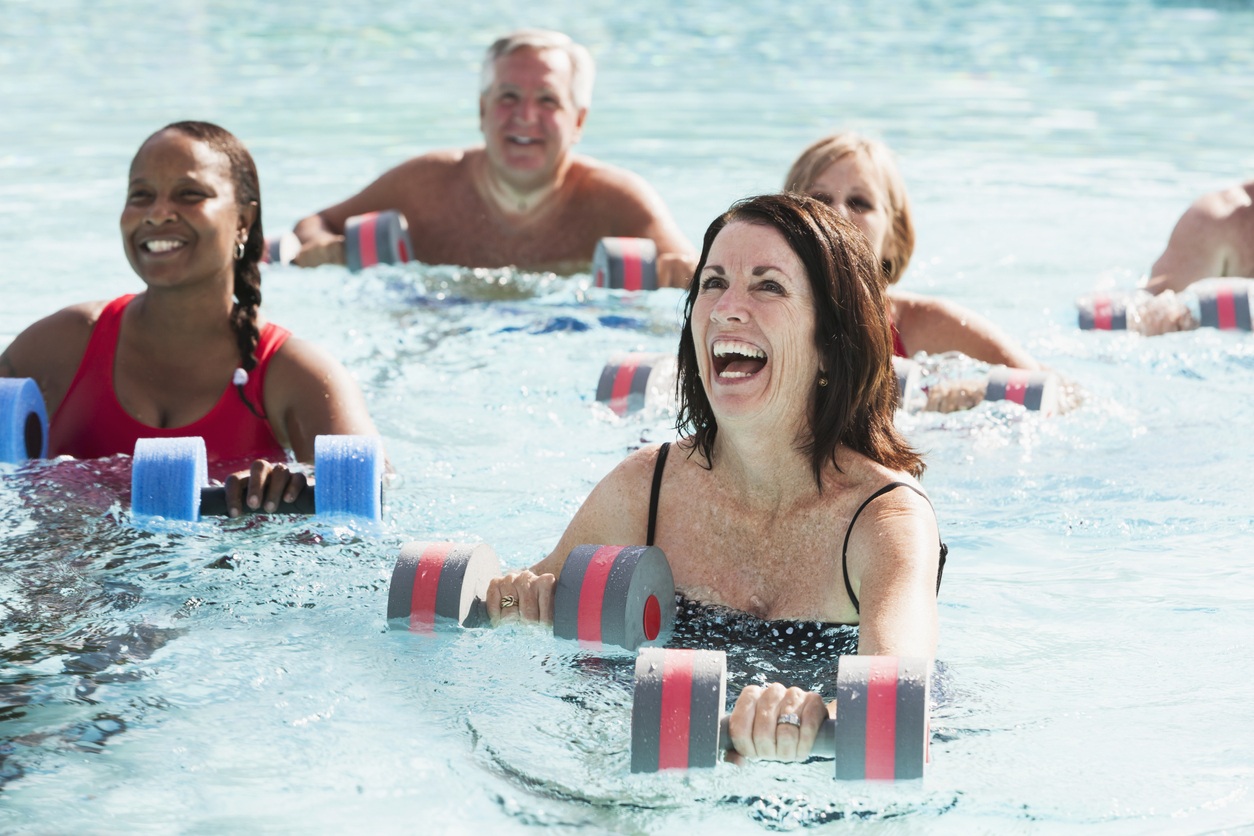
Swimming is often recommended as a low-impact exercise beneficial for overall health. It improves cardiovascular endurance, strengthens muscles, and promotes flexibility. However, for people with diabetes, swimming—especially in pools—can introduce certain risks that need to be understood and managed carefully. In this article, we will explore why swimming pools can be dangerous for people with diabetes and how to enjoy this activity safely.
Understanding Diabetes and Its Impact on Exercise
How Diabetes Affects the Body During Exercise
For people with diabetes, maintaining blood glucose levels is critical during any form of exercise. Physical activities, such as swimming, can cause fluctuations in blood sugar levels. The primary concern is hypoglycemia (low blood sugar), which can happen during or after exercise. On the other hand, hyperglycemia (high blood sugar) can occur if the individual doesn’t have the right insulin balance before starting their workout.
Swimming pools present a unique environment where these fluctuations can be harder to notice due to the surrounding water. An unnoticed drop in blood sugar can lead to dizziness, confusion, and in severe cases, unconsciousness—all highly dangerous situations when in a pool.
Why Swimming Pools Pose Extra Risks
While swimming for people with diabetes has numerous benefits, swimming pools also present specific dangers, including:
- Delayed Detection of Hypoglycemia: In water, the symptoms of hypoglycemia, such as sweating or feeling light-headed, can be masked, making it harder to notice when blood sugar levels drop dangerously low.
- Temperature Regulation: Cold water can impact body temperature regulation, which may lead to increased glucose consumption and a greater risk of hypoglycemia. Pools that are too warm or too cold can also interfere with the body’s ability to maintain stable glucose levels.
- Infections and Wound Care: People with diabetes are more prone to infections due to poor circulation and slower healing. Swimming pools, especially public ones, can introduce bacteria that exacerbate cuts, blisters, or skin irritation, increasing the risk of infection.
- Foot Health Concerns: Many individuals with diabetes experience neuropathy, a condition that causes a loss of sensation in the extremities. Walking barefoot in and around swimming pools increases the chance of cuts or injuries to the feet, which can go unnoticed and lead to complications.
Best Practices for Swimming Safely with Diabetes
Pre-Swimming Precautions
Before jumping into the pool, diabetics should take some safety steps to ensure a safe and enjoyable experience:
- Check Blood Sugar Levels: Always measure blood sugar levels before swimming. Aim for a range between 100-250 mg/dL to minimize the risk of hypoglycemia or hyperglycemia during your swim.
- Pack Fast-Acting Carbohydrates: Keep glucose tablets, sugary drinks, or snacks nearby to raise blood sugar quickly if needed. In case of a drop, having something on hand is crucial for immediate response.
- Use Proper Footwear: Wear water shoes to prevent foot injuries while walking around the pool area. This reduces the risk of cuts, blisters, and infection from contaminated surfaces.
- Consider a Swimming Partner: Having someone with you who understands diabetes and can help in case of an emergency adds a layer of safety.
Safe Swimming Routines for Diabetics
To maintain stable blood sugar levels during your swim:
- Monitor Your Duration: Keep your swim sessions moderate in length to avoid prolonged physical exertion, which can lead to low blood sugar.
- Stay Hydrated: Dehydration can affect glucose levels, so it’s vital to drink water regularly before, during, and after swimming.
- Post-Swimming Blood Sugar Check: After swimming, it’s crucial to check your blood glucose again to ensure it hasn’t dropped too low. If needed, eat a balanced snack with carbohydrates and protein to stabilize your levels.
Conclusion
While swimming offers numerous health benefits, it also presents potential risks for people with diabetes. By following these safety precautions, individuals can enjoy the water while minimizing health threats. Ensuring proper blood sugar management, foot protection, and general pool safety can make swimming a safe and enjoyable experience.
