

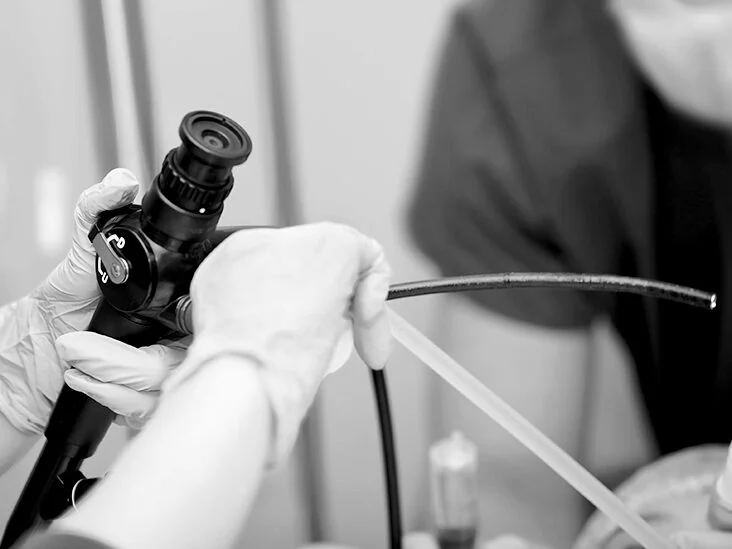
Gastroscopy, also known as an upper endoscopy, is a common medical procedure used to examine the upper digestive system. While it is generally safe, there are potential complications that patients should be aware of. In this article, we’ll explore some of the common complications associated with gastroscopy and what to watch out for.
What is Gastroscopy?
Gastroscopy is a procedure that involves inserting a flexible tube with a camera and light source at the end (known as an endoscope) through the mouth and down the esophagus, stomach, and upper part of the small intestine. This allows doctors to visually inspect the upper digestive system and take tissue samples if necessary.
Complications of Gastroscopy
While gastroscopy is considered a safe procedure, there are potential complications that patients should be aware of. These can include:
Perforation
Perforation, or a tear or hole in the digestive tract, is a rare but serious complication of gastroscopy. It can be caused by the endoscope itself or by biopsies taken during the procedure. Symptoms of perforation may include severe abdominal pain, fever, chills, and vomiting.
Bleeding
Bleeding is another potential complication of gastroscopy, particularly if biopsies are taken or polyps are removed during the procedure. Most cases of bleeding are minor and resolve on their own, but in rare cases, more significant bleeding may require additional medical intervention.
Infection
Infection is a risk associated with any medical procedure that involves inserting a foreign object into the body. While rare, gastroscopy can potentially introduce bacteria into the upper digestive system, leading to infections such as pneumonia or sepsis.
Reaction to sedation
Sedation is often used during gastroscopy to help patients relax and minimize discomfort during the procedure. However, some patients may have an adverse reaction to the sedative medication, leading to complications such as low blood pressure, difficulty breathing, or allergic reactions.
Other complications
Other potential complications of gastroscopy include aspiration (inhaling stomach contents), damage to the teeth or throat, and complications related to underlying medical conditions such as heart or lung disease.
What to Watch Out For
While the risk of complications from gastroscopy is relatively low, it’s important to be aware of the signs of potential problems. Patients should seek medical attention immediately if they experience any of the following symptoms after a gastroscopy:
- Severe or worsening abdominal pain
- Fever or chills
- Difficulty swallowing or breathing
- Chest pain or shortness of breath
- Blood in vomit or stool
- Signs of infection such as coughing or fever
In addition, patients should follow all post-procedure instructions provided by their healthcare provider, including any restrictions on eating or drinking, medication use, and activity levels.
Preparation for Gastroscopy
To help reduce the risk of complications, patients will typically be given instructions on how to prepare for a gastroscopy. This may include fasting for a certain period of time before the procedure, stopping certain medications, and avoiding smoking or drinking alcohol.
Patients will also typically be advised to arrange for someone to drive them home after the procedure, as the sedative medication used during gastroscopy can impair judgment and coordination.
In addition to preparing for the procedure itself, patients should also discuss any underlying health conditions or medications with their healthcare provider. This can help identify potential risk factors and ensure that appropriate precautions are taken during the procedure.
Conclusion
While gastroscopy is generally a safe and effective diagnostic tool, it’s important for patients to be aware of the potential risks and complications. By understanding what to watch out for and following all pre- and post-procedure instructions, patients can help ensure a successful and safe gastroscopy experience.
If you have any concerns about gastroscopy or are experiencing symptoms after the procedure, don’t hesitate to contact your healthcare provider. They can provide guidance and support to help you navigate any complications and ensure that you receive the care you need.
