

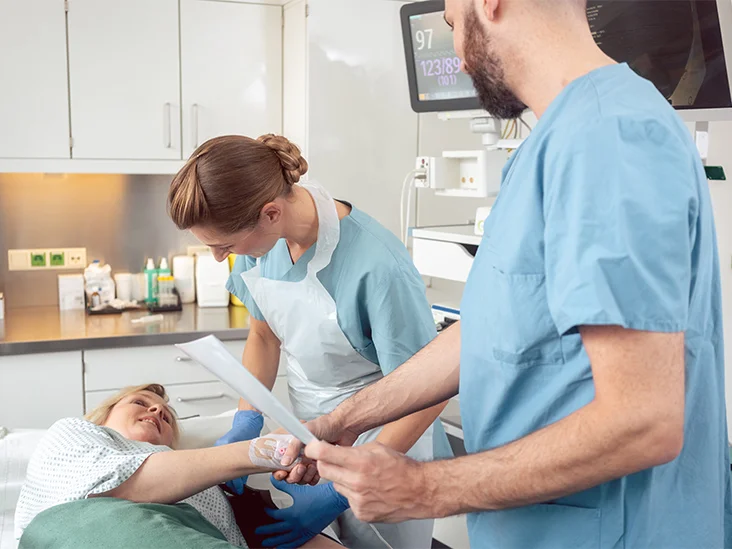
A colonoscopy is an endoscopic exam that allows a doctor to examine the inside of your large intestine, which includes your colon, rectum, and anus. During a colonoscopy, a thin, flexible tube called a colonoscope is inserted through your anus and rectum into your colon.
The colonoscope has a lighted camera on the end that sends images of the inside of your large intestine to a screen. The purpose of a colonoscopy is to evaluate the overall health of your large intestine, identify and diagnose any abnormal tissue or diseases, such as colon cancer or polyps.
It is also used to detect and treat other conditions, such as irritable bowel syndrome, inflammatory bowel diseases, and diverticular disease. The procedure typically takes 15 to 30 minutes to complete, depending on the need for additional procedures like polypectomy.
You will be asked to lie on your left side while the colonoscope is inserted into your rectum. The doctor will then slowly move the colonoscope through your large intestine, while viewing the images on the screen. If polyps are found, these are usually removed at the time of the colonoscopy. During this time, you will be sedated and will not experience any pain.
After the procedure is complete, the doctor will examine the pictures and will discuss any findings with you. Your doctor may also suggest a follow-up colonoscopy in the future to monitor your large intestine’s health.
A colonoscopy is a safe and essential procedure for evaluating the health of your large intestine and detecting any abnormalities. While the procedure can be uncomfortable and slightly nerve-wracking, it is important to stay calm and follow your doctor’s instructions. Doing so can help make the procedure go as smoothly as possible.
How to Prepare for a Colonoscopy
Three days prior to the colonoscopy, you will be instructed to avoid fibre. This is to enable easy cleansing of the bowels prior to the scope. Subsequently, 1 day prior to the scope, you will be asked to drink oral laxatives (usually PEG) to clear your bowel. This is often described to be awful and some patients find the taste of PEG to be unpalatable. However, do speak to your doctor/nurse whom can advise you on some tips to make the bowel preparation easier and more tolerable. It’s important to drink this fluid as directed. As a poorly prepared bowel will require a repeat colonoscopy and increased chances of missing a polyp.
On the day of your colonoscopy, you’ll need to arrive at the clinic or hospital an hour before your scheduled appointment. This is to give you enough time to change into a hospital gown, sign paperwork, and answer any questions your healthcare provider may have for you. It’s also advisable to have someone with you who can drive you home after the procedure.
Your endoscopist will discuss this with you before the procedure begins. Once the procedure starts, your endoscopist will use a thin, flexible tube to examine your large intestine. The scope is inserted through your rectum and passed through your colon. After the examination is complete, the doctor will remove the scope and assess their findings. After your colonoscopy is complete, you should be able to go home and resume your regular activities after a period of observation.
However, it’s important to follow your healthcare provider’s instructions for post-procedure care, such as drinking plenty of fluids and eating light meals for the first 24 hours. A colonoscopy can be intimidating, but it’s an important part of your overall health.
By following your healthcare provider’s instructions and preparing properly, you can make sure your colonoscopy goes smoothly and any alarming health problems like polyps or colon cancer are addressed properly and promptly.
