

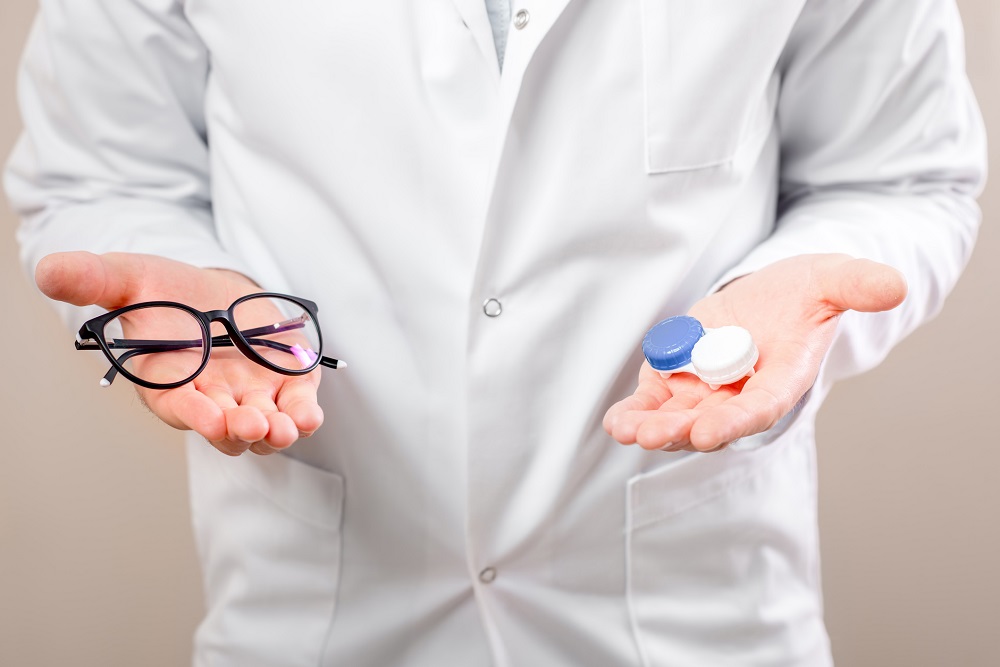
Eye Glasses & Contacts are the best products enabling much of the population of the world to see. It would be a boon for you with a specific Eye Problem to see using Glasses & Contacts. The long history of Glasses & Contacts has been fruitful and come of age now. Presently, both the Glasses & Contacts have been made of different materials. It has been a wonderful benefit, as it enables contact lens manufacturers and optical labs to cater to people with durability and the right fit.
Let Us Delve Into The Type Of Lens Used For The Manufacturing Of Glasses & Contacts.
Eye Glasses
The oldest lens materials made available in the industry offer a relatively clear vision and scratch-resistant feature. You could make the most of the eyeglasses at a relatively low price. However, it would be heavier than the other available material manufactured by optical labs presently to suit different people with specific Eye Problem needs. The thicker lenses would require a stronger prescription. Consequently, the optical labs would recommend glasses only to correct minor visions.
· Plastic
The economically friendly choice caters to people with decent visual clarity. Find below the various reasons that make them the most popular choice in the present times. They have been relatively lighter than the glass lenses but could get thick for people with high prescriptions. A significant benefit of plastic over glass would be the latter could not be easily tinted and transformed into sunglasses.
· High Index Lenses
These could be manufactured with either plastic or glass. However, they would be different for being the thinnest material made available in the industry. The high index lenses measure 20-65% thinner compared to plastic. Nonetheless, the plastic high index lenses cater to you with adequate UV protection.
· Polycarbonate
The second most popular choices in the industry have been very safe, difficult to break, and lightweight. Polycarbonate lenses are approximately ten times more resistant to impact than glass. Polycarbonate has been a recommended choice for children, as they are significantly thinner than regular plastic and 100% effective against the harmful UV rays of the sun.
Contacts
The contacts were manufactured from glass in the beginning, more than 120 years ago. However, later they were manufactured from polymethyl methacrylate for adequate comfort.
· Hard-Strong Glass Permeable
The only problem was their inability to let oxygen through to get in touch with the eye. It may cause all types of side effects. It would be pertinent to mention here that hard lenses manufactured from polymers are gas permeable.
They would create the right shape on the cornea for clear vision and enable oxygen to the surface of the eyeball. They tend to last longer than soft contacts. They would provide adequate protection to the eyes from fumes and chemicals.
· Soft
The soft contact lenses manufactured from hydrogel or polymacon are comfortable on the eye than the hard ones. It would enable oxygen to contact the eyeballs. They are disposable to suit your needs.
With numerous available options in the market, you would be spoilt for a choice of options. The manufacturers of Glasses & Contacts would work hard to provide the users with the best and a wide variety of selections possible to find the right fit for you with a specific Eye Problem.
