

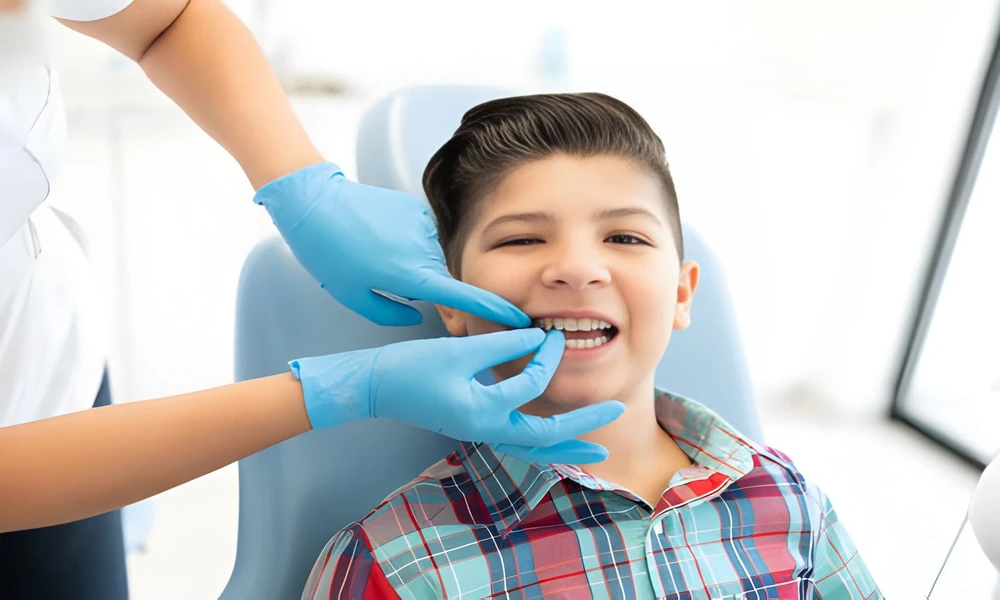
If you are a parent, it is completely normal to wonder when braces should enter the picture. Some kids seem to have perfectly straight teeth one day and a noticeably crooked smile the next. Many parents wonder when the right time for braces is, but there is no single age that works for every child. What matters most is having an orthodontic evaluation at the appropriate stage of development. A confident smile can have a lasting impact, and braces remain one of the most reliable ways to improve both dental alignment and oral health.
If you are searching for a good provider of metal braces Kaysville Utah for your child, consider visiting Defay Orthodontics. They offer personalized orthodontic care designed to meet each patient’s unique needs and goals. Their experienced team focuses on creating treatment plans that prioritize comfort, proper function, and lasting results.
When Should Children Start Orthodontic Treatment?
As per orthodontic experts, at around 7 years age, children should have their first orthodontic checkup. At this stage, a mix of baby teeth and permanent teeth is present, allowing orthodontists to spot developing problems with tooth and jaw alignment before they become more complicated.
That does not mean every seven-year-old needs braces right away. In fact, many children are simply monitored for a few years before treatment begins. For most kids, traditional braces are often placed between ages 9 and 14, when enough permanent teeth have erupted, and the jaws are still growing. During this period, orthodontic treatment can be especially effective.
So, how do you decide whether your child needs braces?
Signs may indicate that it is time for an orthodontic assessment.
These include:
- Crowded teeth
- Noticeable gaps
- Overbites
- Underbites
- Crossbites
- Open bites
- Protruding front teeth
- Difficulties with chewing or biting food.
Problems such as early or delayed loss of baby teeth, prolonged thumb-sucking, and even mouth breathing can also signal underlying orthodontic concerns.
Benefits of Getting Braces During the Teen Years
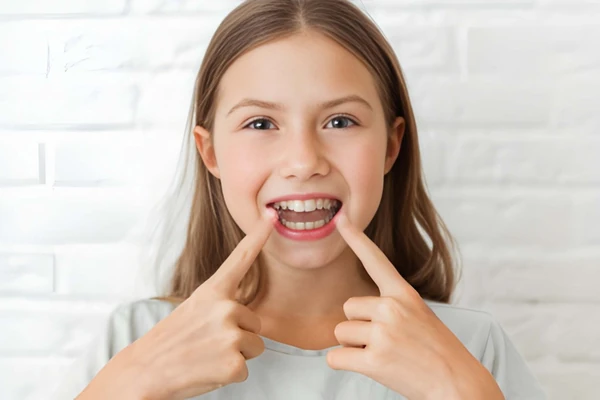
Many parents assume braces are mainly about appearance. Sure, a straighter smile can boost confidence, especially during the teenage years, but the benefits go much deeper. Properly aligned teeth are easier to clean, which can reduce the risk of tooth decay and gum problems. Braces can also help improve bite function, chewing efficiency, speech, and overall oral health.
Teen years are still a very common time for orthodontic treatment. Since most permanent teeth are in place by then, orthodontists can clearly see issues that are unlikely to correct themselves naturally. Teens are also generally better at following care instructions and maintaining oral hygiene throughout treatment.
Final Word
At the end of the day, the right age for braces depends on the individual child. Some may benefit from early intervention, while others can safely wait until later childhood or the early teen years.
If you have even a small concern about your child’s smile, scheduling an evaluation can provide peace of mind and help ensure any developing issues are addressed at the right time. After all, a healthy, confident smile is something that can benefit a child for years to come.
