

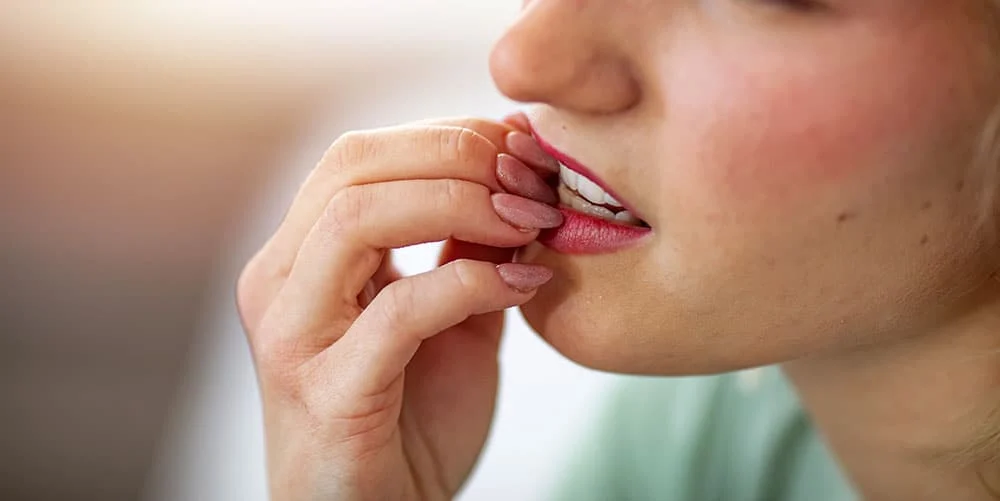
Dental restorations can bring back your smile. They can also fail faster than you expect. Often the cause is not bad luck or bad materials. It is repeat choices you make every day. This blog will show you three common habits that quietly damage crowns, fillings, veneers, and implants. You may see yourself in one, two, or all three. That can feel upsetting. It is also your chance to protect the care you already paid for. Any Las Vegas dentist will tell you. Restorations do not last on their own. They need your help. When you know what harms them, you can act early. You can change small routines and prevent cracks, stains, and loose work. You can also avoid pain and extra cost. Start by looking at your own habits with honesty. Then use these simple steps to keep your dental work strong.
Habit 1: Using Your Teeth as Tools
You may open packages with your teeth. You may pull off clothing tags or crack nutshells. These quick shortcuts feel harmless. They are not. Restorations do not flex like natural teeth. Extra force often hits one small point. That pressure can chip porcelain, loosen a crown, or crack a filling.
The Centers for Disease Control and Prevention explains that strong biting forces already stress teeth during normal chewing. You add even more risk when you use your teeth to grip or twist objects.
Warning signs that you are using your teeth as tools include:
- Small chips at the edges of front teeth or veneers
- A crown that starts to feel high or sharp on one side
- Sensitivity when you bite into food in one spot
Instead you can:
- Keep scissors and bottle openers in easy reach
- Teach children early that teeth are for eating and smiling only
- Pause when you feel the urge to bite a package and ask yourself if you would do that to a new phone screen
Each time you choose a tool instead of your teeth, you protect the work you already have. You also protect the tooth under the restoration. That tooth is more at risk than a tooth that never needed treatment.
Habit 2: Grinding or Clenching Your Teeth
Grinding or clenching is common. You may do it in traffic, at work, or in your sleep. You may not notice. Your jaw muscles do notice. Your restorations do as well. Constant force can wear down fillings, crack porcelain, and loosen implants.
The American Dental Association explains that grinding, called bruxism, can lead to broken teeth and damaged dental work.
Signs you may grind or clench include:
- Tight or tired jaw when you wake up
- Frequent headaches near your temples
- Short, flat looking teeth in the mirror
- Chipped edges on crowns or veneers
You can protect your restorations by:
- Asking your dentist about a custom night guard
- Checking in with your jaw during the day and resting your teeth slightly apart
- Using stress management tools such as short walks, breathing exercises, or stretching
Grinding often ties to stress or sleep problems. You deserve care for those issues as well. When you treat the cause, you protect both your health and your restorations.
Habit 3: Sipping Sugar and Acid All Day
Many drinks wear down dental work. Sodas, energy drinks, sports drinks, fruit juices, sweet coffee, and flavored waters often contain sugar, acid, or both. When you sip them through the day, your mouth stays in an acid state. That acid weakens the tooth that holds your filling, crown, or veneer.
Over time you may see stains around the edges of restorations. You may also get new decay under a crown or filling. That decay can cause the restoration to fail even if the material itself stays strong.
You can lower the risk with three simple changes:
- Limit sweet or acidic drinks to mealtimes
- Rinse with plain water after you finish any sugary drink
- Use a straw so less liquid touches your teeth
You can find general guidance about sugar and tooth decay in the National Institute of Dental and Craniofacial Research resources.
How Habits Affect Different Types of Restorations
Not all restorations respond the same way to stress, grinding, or acid. The table below shows common patterns. This can help you focus your efforts where they matter most.
| Restoration type | Most harmed by using teeth as tools | Most harmed by grinding or clenching | Most harmed by sugar and acid |
|---|---|---|---|
| Tooth colored fillings | Can chip at the edges | Can crack or wear down | High risk of decay under the filling |
| Crowns | Porcelain can fracture | Cement seal can weaken | Decay can form at the crown edge |
| Veneers | Front edges can break off | Bond can fail under constant pressure | Stains can form along the margins |
| Implants | Crowns on implants can chip | Bone around implant can stress | Gums can inflame if plaque builds up |
Routine Care That Supports Your Restorations
You also need three daily habits that support every kind of dental work. These do not need much time. They do need consistency.
- Brush twice a day with fluoride toothpaste
- Clean between teeth once a day with floss or other tools your dentist suggests
- Schedule regular checkups so small problems get fixed early
Your dentist can check the fit of your restorations, smooth small chips, and watch for signs of grinding or decay. Early repair often costs less and saves more of your natural tooth.
Take Action Today
You invested money, time, and trust into your dental work. You have every right to expect it to last. You also have power in that outcome. When you stop using your teeth as tools, address grinding or clenching, and cut back on sugar and acid, you give your restorations a fair chance.
Change does not need to be large. You can start with one step today. Place a small pair of scissors where you open packages. Ask your dentist about signs of grinding at your next visit. Swap one daily soda for water. Each choice protects your smile and your wallet.
Your restorations already did their job once. Now your habits can help them keep doing it for many years.
