

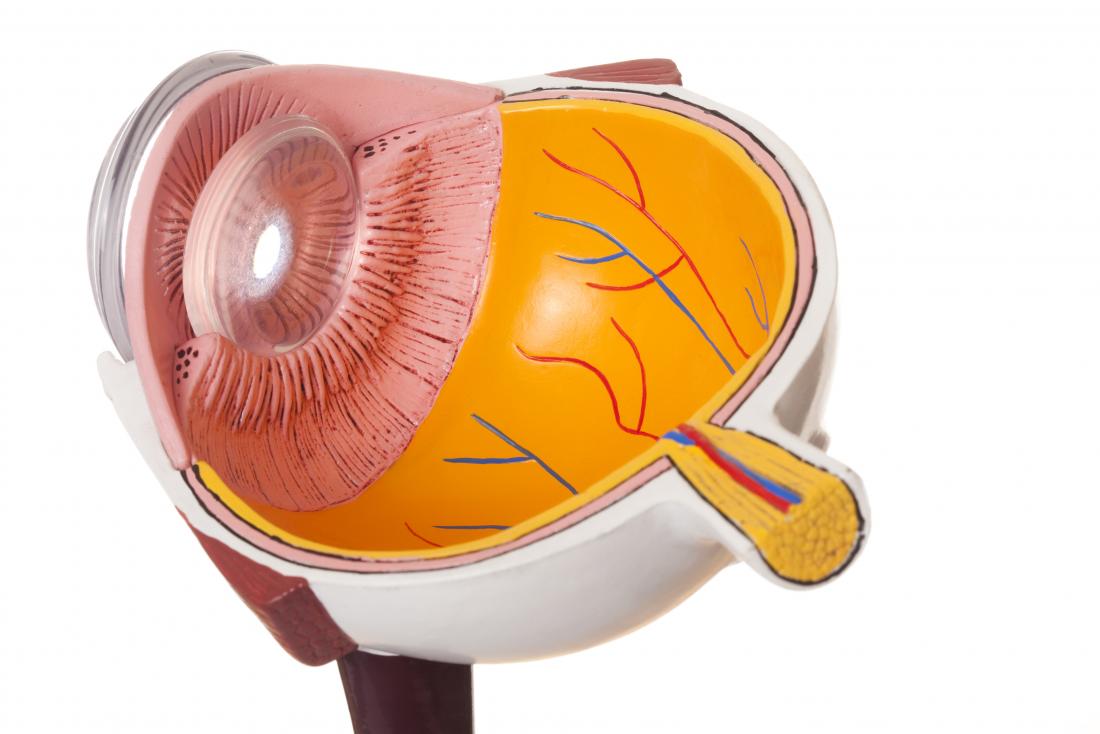
Central serous chorioretinopathy (CSCR) is an eye condition that affects the retina, leading to blurred or distorted vision, usually in one eye. It most commonly occurs in young to middle-aged adults and is often linked to stress, steroid use, or underlying health factors.
While many cases resolve on their own, treatment may be necessary when symptoms persist or worsen. Understanding treatment options and their potential side effects is essential for informed decision-making.
What Is Central Serous Chorioretinopathy?
Central serous chorioretinopathy occurs when fluid builds up beneath the retina, causing it to detach slightly from the underlying tissue. This fluid leakage typically originates from the choroid, a layer of blood vessels that supplies the retina.
The condition can lead to symptoms such as blurred vision, dark or gray spots, straight lines appearing wavy, and difficulty focusing. Although CSCR is not usually painful, its impact on vision can affect daily activities and quality of life.
When Is Treatment Necessary?
In many cases, CSCR resolves spontaneously within three to four months without medical intervention. Doctors often recommend observation during this period, especially for first-time episodes with mild symptoms.
Treatment becomes more relevant when fluid persists beyond several months, recurs frequently, or significantly affects vision. At this stage, central serous chorioretinopathy therapy aims to reduce fluid buildup, restore retinal structure, and prevent long-term visual damage.
Common Treatment Approaches
Several treatment options are available depending on the severity and duration of the condition. Each approach targets fluid leakage in a different way.
Observation and lifestyle modification are often the first steps. Reducing stress, improving sleep, and stopping corticosteroid medications (under medical guidance) can help the eye heal naturally.
Laser photocoagulation may be used in chronic cases. This technique targets leakage points away from the center of vision to seal them and reduce fluid accumulation. Photodynamic therapy (PDT) uses a light-activated drug to selectively close abnormal blood vessels in the choroid. It is commonly used for long-standing or recurrent cases.
Medications such as mineralocorticoid receptor antagonists or anti-vascular agents may also be prescribed to regulate fluid leakage and choroidal thickness.
Side Effects of Observation and Lifestyle Changes
Observation itself has no direct side effects, making it the safest initial approach. However, prolonged fluid presence may increase the risk of subtle, long-term vision changes. Lifestyle modifications, such as stress reduction, are generally beneficial. The challenge lies in maintaining consistency, as unmanaged stress can contribute to recurrence.
Side Effects of Laser Photocoagulation
Laser treatment can be effective but is not without risks. Potential side effects include mild discomfort during the procedure and temporary visual disturbances. In some cases, laser therapy may cause small blind spots or scarring in the treated area. For this reason, it is typically avoided near the central vision unless absolutely necessary.
Side Effects of Photodynamic Therapy
Photodynamic therapy is considered a safer option for central vision involvement, but it still carries possible side effects. Patients may experience temporary vision changes, such as dimming or blurring, shortly after treatment.
There is also a small risk of damage to surrounding healthy tissue if the treatment area is not precisely targeted. Additionally, patients must avoid direct sunlight for a short period after the procedure due to light sensitivity caused by the drug.
Side Effects of Medications
Medications used for CSCR management can have systemic side effects. Some drugs may affect blood pressure, electrolyte balance, or kidney function, especially with long-term use. Regular monitoring by a healthcare professional helps minimize risks. Most side effects are reversible once the medication is adjusted or discontinued.
Balancing Benefits and Risks
Choosing the right treatment involves weighing the benefits of improved vision against potential side effects. Not every patient will require aggressive intervention, and personalized care is essential.
An experienced eye specialist can assess disease duration, symptom severity, and individual risk factors to recommend the most appropriate option. Open communication about side effects helps patients feel confident and prepared.
Conclusion
The long-term outlook for CSCR is generally positive, especially with timely care and lifestyle management. However, recurrences are possible, making regular eye exams important.
With proper monitoring and a clear understanding of treatment risks, patients can actively participate in decisions about central serous chorioretinopathy treatment and protect their visual health over time.
