

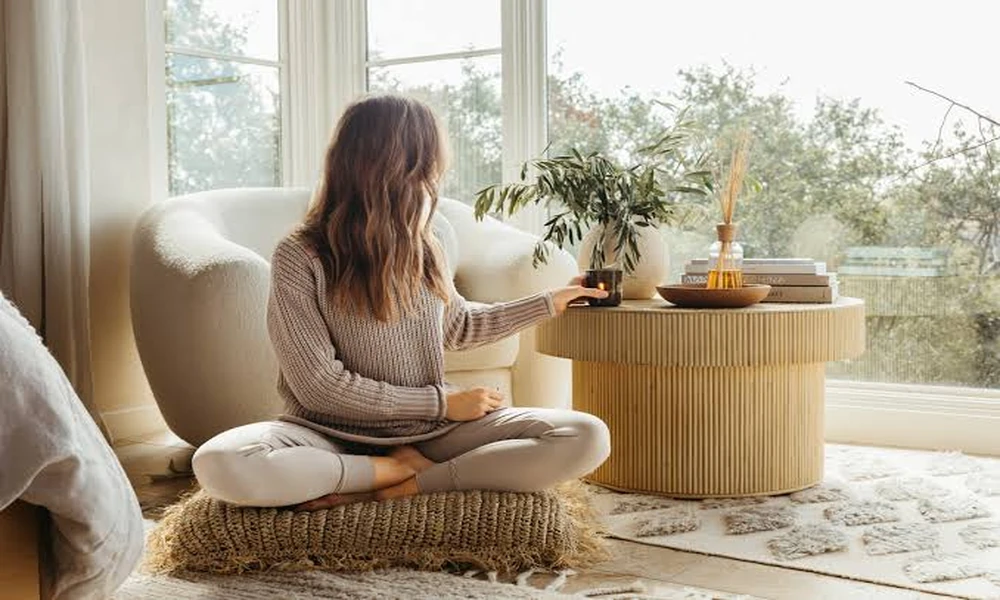
Creating a quiet place for meditation at home can make it easier to slow down, manage daily distractions, and spend time with your thoughts. A dedicated area does not need to be large or expensive. Even a small corner of a bedroom, living room, or balcony can become a comfortable place to practise meditation regularly.
The purpose of a meditation space is to provide an environment where you can sit comfortably and direct your attention inward. A carefully arranged setting can reduce interruptions, encourage consistency, and help you develop a simple daily routine.
Whether you are new to meditation or already practise it regularly, a personal space can make the experience more convenient. With a few thoughtful choices involving location, lighting, seating, and organisation, you can create an environment that supports better focus.
1. Choose a Quiet and Convenient Location
The first step is to identify a suitable location in your home. Look for an area where you can sit without frequent interruptions from conversations, television, household activities, or passing family members.
A spare room is not necessary. You can use an unused corner of your bedroom, a section of the living room, or a sheltered balcony if the surroundings are reasonably quiet.
Consider the following factors when choosing your location:
- Privacy: Select a place where you can spend a few minutes without being disturbed.
- Convenience: Choose an area that is easy to access every day.
- Noise levels: Avoid locations close to televisions, busy kitchens, or frequently used doorways.
- Comfort: Make sure the floor or seating arrangement allows you to sit without unnecessary discomfort.
If your home is busy, discuss your meditation schedule with other household members. Even a short period of uninterrupted time can help you establish a routine.
2. Keep the Space Simple and Uncluttered
A meditation area should feel comfortable rather than crowded. Too many objects, decorations, or personal belongings can become distractions, especially when you are trying to concentrate.
Begin by clearing the selected area. Remove unused furniture, scattered items, and anything that does not contribute to the purpose of the space.
You can keep a few useful items nearby, such as a cushion, a folded mat, a small table, or a blanket. If you prefer guided meditation, you may also keep your phone available, provided notifications are turned off.
Avoid filling every available surface with decorative objects. A simple arrangement makes cleaning easier and helps the area remain ready for use.
The goal is not to create a picture-perfect room. It is to establish a setting that feels calm, practical, and easy to maintain.
3. Select Comfortable Seating
Your sitting position can influence how easily you maintain attention during meditation. Choose seating that supports your body without making you constantly adjust your posture.
A meditation cushion can help elevate your hips when sitting cross-legged on the floor. A yoga mat or folded blanket can provide cushioning against a hard surface.
If sitting on the floor causes discomfort, use a stable chair with a supportive back. Keep your feet resting on the floor and your shoulders relaxed. You do not need to adopt a complicated posture to meditate effectively.
Before settling into your practice, check whether your knees, hips, back, and neck feel reasonably comfortable. Make small adjustments when necessary.
For longer sessions, you may need additional support. The right arrangement is the one that allows you to remain comfortable while staying alert rather than feeling sleepy or physically strained.
4. Use Lighting to Create a Relaxing Environment
Lighting can influence how a room feels. Harsh overhead lights may seem distracting, while softer illumination can make a meditation corner more inviting.
If possible, choose a location that receives natural daylight. Morning sunlight can make the space pleasant and help you associate the area with your daily routine.
For evening meditation, use a warm bedside lamp or another gentle light source. Make sure the lighting is sufficient for safe movement, particularly if you are meditating before sunrise or after sunset.
Candles are optional and should never be left unattended. An electric lamp is a practical alternative if you want to avoid an open flame.
You do not need special lighting equipment. The main consideration is to create a setting in which you can relax without straining your eyes or becoming distracted by the surroundings.
5. Add Elements That Support Concentration
Once the basic arrangement is ready, consider whether a few additional elements would make the area more comfortable.
A small indoor plant can add a natural touch. A simple piece of artwork, a plain wall, or a neatly folded blanket can also help define the space without making it visually busy.
Some people prefer silence, while others find soft instrumental music or natural sounds helpful. If you use audio, keep the volume low enough that it does not dominate your attention.
Fragrance is another personal choice. If you enjoy a particular scent, you can use it occasionally, but avoid strong fragrances that cause discomfort or irritation.
Keep your preferences in mind instead of following every decoration idea you encounter. The purpose of these additions is to make meditation easier, not to create another task that requires constant attention.
6. Create a Dedicated Meditation Space Within Your Home
A clearly defined meditation space can help you separate your practice from other daily activities. When you repeatedly use the same corner for meditation, that location can become a familiar reminder to pause and focus.
You can define the area with a small rug, a cushion, or a low shelf. In a shared room, a folding screen or a carefully positioned chair may provide a greater sense of privacy without requiring permanent changes.
Keep the arrangement consistent. Place your cushion in the same position, store your mat nearby, and remove items that do not belong in the area. This reduces the effort needed to prepare for each session.
You can also establish a simple sequence before beginning. For example, put your phone on silent, arrange your cushion, sit comfortably, and take a few slow breaths. Repeating these steps can help you transition from household responsibilities to meditation.
The area does not need to be used exclusively for meditation if space is limited. However, setting aside a specific time and keeping the arrangement ready can make the practice easier to maintain.
7. Reduce Digital and Household Distractions
Even a well-arranged room may not help much if notifications, calls, and interruptions repeatedly draw your attention away.
Before beginning, silence unnecessary notifications and place your phone out of reach. If you use an app or audio recording for guided meditation, open it before starting and avoid checking other messages.
You can also inform family members when you plan to meditate. Choosing a quieter time of day, such as early morning or after household tasks are completed, may reduce interruptions.
For people living in small homes, noise-cancelling headphones or ordinary earphones may help reduce background sounds. However, they are not essential, and you should remain aware of your surroundings when necessary.
If distractions occur during meditation, do not treat them as a failure. Notice what has interrupted your attention and gently return to your breathing or chosen point of focus.
Meditation involves practising the return of attention, not eliminating every thought or sound.
8. Establish a Consistent Meditation Routine
A dedicated area becomes more useful when you visit it regularly. Start with a manageable schedule instead of setting an ambitious target that is difficult to maintain.
Five minutes a day can be a reasonable starting point. Sit comfortably, notice your breathing, and gently bring your attention back whenever your mind wanders.
Choose a time that fits your lifestyle. Morning meditation may help you begin the day deliberately, while an evening session may provide an opportunity to pause after work or other responsibilities.
Keep track of your routine if doing so encourages consistency. You might mark completed sessions on a calendar or simply make meditation part of an existing habit, such as sitting quietly after waking up.
Avoid judging every session by how relaxed you feel. Some days may be easier than others, and thoughts will naturally come and go. The aim is to practise consistently rather than achieve a particular feeling each time.
9. Maintain the Area Without Making It Complicated
A meditation corner should be easy to keep clean and organised. If the arrangement requires frequent cleaning, complicated setup, or expensive accessories, you may be less likely to use it regularly.
Return cushions and blankets to their places after each session. Dust surfaces, clean the mat, and occasionally review whether the objects in the area remain useful.
If your needs change, adjust the arrangement. You might move the cushion closer to a window, replace uncomfortable seating, or remove decorations that distract you.
Most importantly, avoid comparing your home with elaborate meditation rooms shown in photographs. A small, practical corner can serve its purpose just as well as a dedicated room.
10. Make the Space Personal and Meaningful
Your meditation area should reflect what helps you feel comfortable and attentive. Some people prefer an entirely plain setting, while others appreciate a plant, a meaningful photograph, or a small object that reminds them to slow down.
Choose items that have a clear purpose and avoid adding decorations simply because they are commonly associated with meditation.
You can also connect the space with a simple intention, such as beginning the day calmly, observing your thoughts without judgment, or taking a break from work-related concerns.
Over time, the familiar setting may make it easier to begin each session. However, remember that meditation does not depend on having a perfect environment. Your attention, willingness to practise, and ability to return to the present moment matter more than the appearance of the room.
A comfortable chair and a few uninterrupted minutes may be all you need to get started.
Conclusion
Creating a meditation area at home is a practical way to make quiet time part of everyday life. By selecting a convenient location, reducing clutter, choosing comfortable seating, and limiting distractions, you can develop a setting that supports regular practice.
You do not need expensive equipment or a separate room. Begin with the space you already have and make small adjustments according to your needs. A consistent routine, even one lasting only a few minutes, can give you an opportunity to pause and observe your thoughts.
With time, your peace of mind routine can become a familiar part of your day, helping you approach daily activities with greater awareness and a more deliberate use of your attention.
Frequently Asked Questions
1. How much space do I need for meditation at home?
You only need enough room to sit comfortably and maintain a stable posture. A small bedroom corner, a section of the living room, or a quiet balcony can work well.
2. What items should I keep in a meditation area?
A cushion, yoga mat, folded blanket, or supportive chair may be sufficient. You can add a lamp or a small plant if you find these helpful, but specialised equipment is not necessary.
3. What is the best time to meditate at home?
The best time is one you can follow consistently. Many people prefer early morning because there may be fewer interruptions, while others choose the evening to take a break after daily responsibilities.
4. How can I meditate when my home is noisy?
Choose a quieter time, inform household members about your session, and silence unnecessary notifications. If appropriate, use earphones or focus on your breathing while allowing background sounds to pass without reacting to them.
5. How long should a beginner meditate each day?
Beginners can start with five minutes a day and gradually increase the duration if comfortable. Consistency is generally more practical than beginning with long sessions that are difficult to maintain.
