

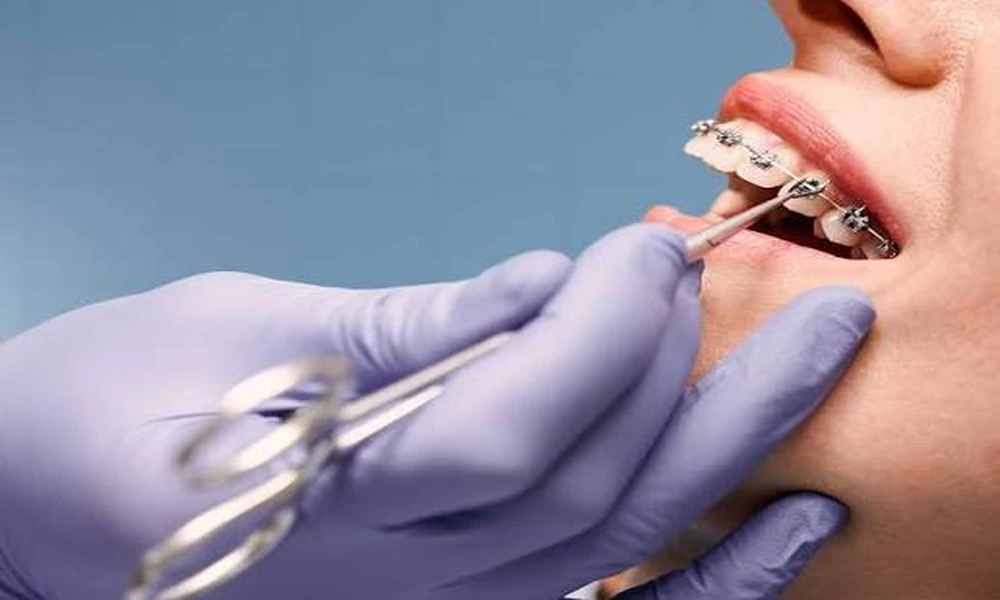
You may already know the pattern. Your child does fine until they hear the polishing tool, feel the buzzing, or notice the scraping sound, then their whole body tightens. A routine cleaning turns into tears, refusal, or a full shutdown. That stress is real, and it can leave you wondering whether every dental visit will feel this hard. A Pediatric dentist in Fontana, CA can help make those visits feel more manageable.
Children who are sensitive to sound, vibration, or certain textures often react strongly during cleanings, even when they are otherwise calm and cooperative. The issue is not bad behavior. It is usually a sensory response. The good news is that a pediatric dental cleaning for sound-sensitive kids can be adjusted in ways that reduce overload and help your child feel safer in the chair.
Sensory Triggers Can Turn a Simple Kids Dental Cleaning Into a Battle
To an adult, the scraping from hand instruments or the hum of a polishing tool may seem minor. To a child with sensory sensitivity, it can feel sharp, unpredictable, and impossible to ignore. Some kids dislike the vibration in their jaw. Others focus on the metallic sound, the taste of toothpaste, or the feeling of water pooling in the mouth. When several triggers happen at once, the cleaning can feel overwhelming fast.
This often starts before the appointment even begins. Your child may remember the last sound they hated and tense up in the waiting room. Once fear is attached to dental care, avoidance can build. Missed cleanings can lead to more plaque, more tartar, and a greater chance of cavities or gum irritation. Then the next visit may require more treatment, which only confirms your child’s fear.
That cycle is frustrating because you are trying to do the right thing. You want healthy teeth, but you also do not want to force your child through an experience that feels unbearable to them. Both concerns matter.
Pediatric Dentists Often Use Behavior Guidance and Sensory Accommodations
A pediatric dentist is trained to work with children whose needs do not fit the standard fast cleaning model. That may mean slower pacing, showing instruments before use, offering breaks, lowering noise, or starting with the least irritating part of the visit. The goal is not to push through distress. It is to build trust while still protecting oral health.
The American Academy of Pediatric Dentistry outlines behavior guidance approaches that support communication, desensitization, and child-centered care. You can review those principles in the AAPD’s behavior guidance recommendations. Many families feel relief just knowing there is a framework for this, and that their child is not the only one who struggles.
Sometimes small changes make the biggest difference. A child who cannot tolerate an electric polisher may handle hand scaling better. Another child may prefer the opposite because the buzzing is easier than scraping. Some do better with noise-reducing headphones, a weighted blanket, or a clear step-by-step explanation before anything touches their teeth. Dental cleanings for children with sensory issues are rarely one-size-fits-all.
Skipping Professional Teeth Cleaning Can Create Bigger Problems Later
It is tempting to delay appointments and hope better brushing at home will be enough. Home care matters, but even careful brushing does not always remove hardened buildup. Once plaque turns into tartar, it usually needs professional removal. Delaying care can mean more discomfort later, and that later visit may involve longer treatment than a simple cleaning would have.
The CDC recommends daily brushing with fluoride toothpaste, flossing when teeth touch, and regular dental care as part of preventing tooth decay in children. Their oral health tips for children give a solid overview of prevention at home. Good home habits lower risk, but they work best when paired with regular professional care.
If your child has already had one rough visit, you might be asking yourself what happens if they refuse again. In many cases, the answer is preparation and flexibility, not force. A shorter visit that ends on a calm note can be more useful than completing every step while your child is panicking.
Home Care and Professional Pediatric Dentist Visits Serve Different Roles
| Approach | What It Helps With | Limits |
|---|---|---|
| Daily brushing and flossing at home | Removes fresh plaque, lowers cavity risk, builds routine | Does not remove tartar, depends on technique and consistency |
| Sensory supports before and during visits | Reduces fear, noise stress, and resistance during care | May need trial and error to find what your child tolerates |
| Professional cleaning with a pediatric dentist | Removes tartar, checks for early decay, monitors gum health | Can still be hard without planning for sound or vibration triggers |
Small Changes Before the Appointment Can Improve Tolerance
Ask for a sensory-friendly plan in advance. Tell the office exactly what bothers your child. Say whether it is scraping sounds, buzzing, suction noise, gritty toothpaste, or having water in the mouth. Ask if the team can schedule extra time, use hand instruments when possible, explain each step, and pause on request.
Practice the sensations at home. You do not need to recreate a full cleaning. A vibrating toothbrush, a count-to-ten brushing game, or wearing headphones while someone gently touches the outside of the cheeks can help your child get used to parts of the experience. The goal is familiarity, not perfection.
Set one realistic goal for the visit. For one child, success may mean sitting in the chair and opening wide. For another, it may mean completing part of the cleaning without panic. When you measure progress in small wins, your child is less likely to feel they failed, and the next visit starts from a better place.
Support and Consistency Help Children Build Trust in Dental Care
Your child is not being difficult. They are reacting to sensations that feel too intense. When those triggers are taken seriously, routine care becomes more possible. A thoughtful pediatric dentist can adapt the pace, tools, and communication so your child gets the care they need without feeling trapped in the process.
If your child dreads the noise, scraping, or vibration of a cleaning, schedule a visit with a pediatric dentist and ask for a plan built around their sensory needs. Steady care now can protect both their teeth and their confidence at future appointments.
