

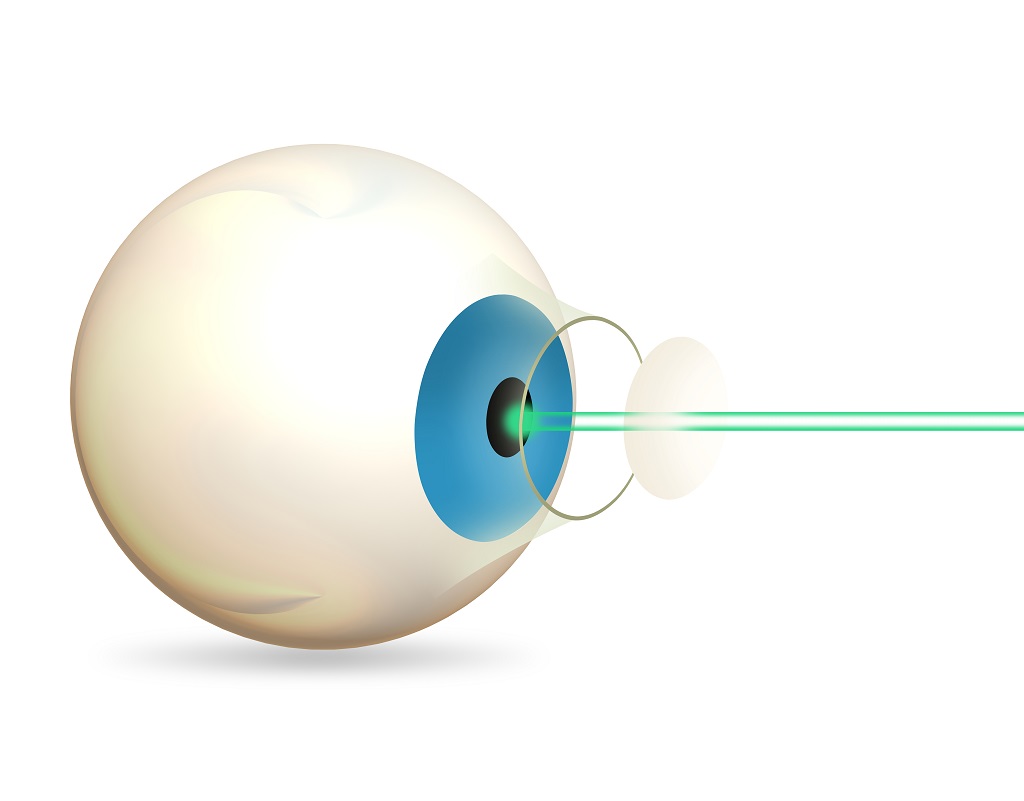
Refractive surgery is the best solution to correct long-term problems such as myopia, hyperopia, and astigmatism. It is based on applying a laser to the cornea to leave it in the proper shape and favors light rays’ refraction. Being well known and used by millions of people, it has some variations to serve more patients. LASIK is the most famous, while PRK caters to specific conditions. To know everything about the two, see the main distinctions between them!
Laser access to sculpt the cornea is the main difference between Prk And Lasik and Refractive Lens Exchange vs. LASIK.
Refractive Surgery: Differences Between Prk And Lasik
In both techniques, the laser used is the same: the Excimer Laser. However, the main difference in refractive surgery concerns how this element can access and sculpt the cornea. In LASIK, a special tool lifts a small flap from the cornea’s surface. Known as a flap, this structure is a kind of open “cap” trapped by a small piece still in the cornea.
With the opening, the laser acts directly on the cornea to ensure it has the proper shape for the refraction of the rays. In the case of PRK, epithelial cells are removed, removing a thin and complete outer layer of the cornea. With corneal exposure, it receives the laser to be corrected accordingly.
PRK is generally indicated for those who do not have the proper corneal curvature or, mainly, for those with a very thin cornea. In other cases, LASIK is recommended.
The Postoperative Period Is Also Different Between The Two Types Of Refractive Surgery – Refractive Surgery: Differences Between Prk And Lasik
As the technique is quite different for each situation, there are variations regarding the postoperative period. In the case of LASIK, it happens very quickly, even because the impact and modifications are mainly restricted to the flap. In a few days, the patient can go back to performing his tasks normally and see better quickly.
PRK, on the other hand, is a little more complex. A special lens is placed to protect the eye while it recovers, for example, and this element is removed in a week. After that, it is still necessary to be careful so that the refractive surgery does not lead to any ocular damage. In addition, this technique makes the post-surgery period a little sorer and more uncomfortable.
PRK Recovery Time Is Much Longer
Precisely because of how it is done, PRK generates a much more intense modification in the cornea, considerably extending the recovery time. Until the entire outer layer of the cornea heals, you must wait a few months, unlike with LASIK. As the flap is very small, it integrates back into the structure more quickly, ensuring a very efficient recovery.
In the case of PRK surgery, for example, it is necessary to avoid sunlight on the cornea for up to 1 year, in addition to other progressive care to protect the structure and result. These two types of refractive surgery differ mainly in technique and postoperative recovery. To find out which is best for you, consult an ophthalmologist such as Kraff Eye Institute for example so that he can give you the right indication.
