

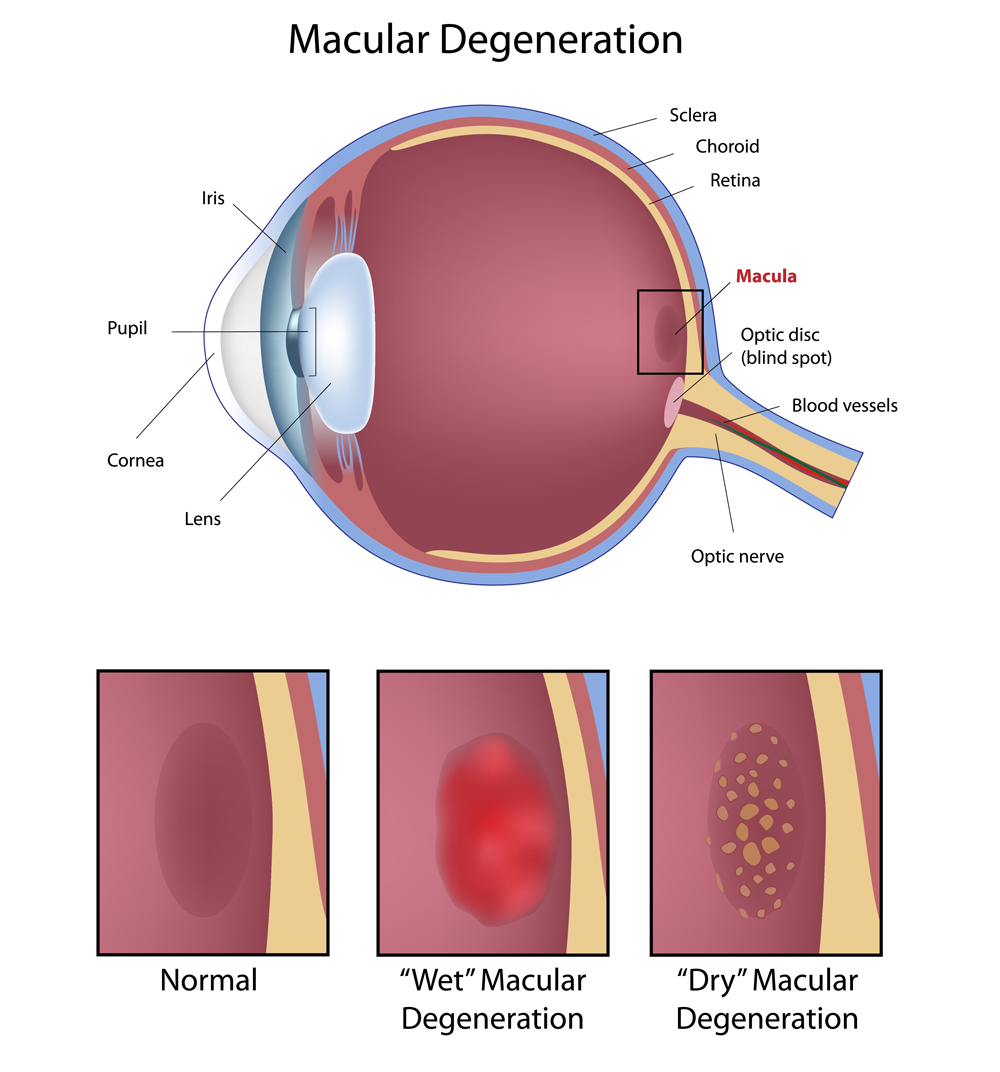
Age-related macular degeneration (AMD) is a progressive eye disease that affects the macula, the central part of the retina responsible for sharp, detailed vision. It is a leading cause of vision loss among older adults, particularly those living with chronic health conditions. Treating AMD disease in these patients requires a comprehensive approach that considers both ocular health and systemic disease management.
Understanding AMD in Patients with Chronic Illness
AMD is generally classified into two forms: dry (atrophic) and wet (neovascular).
Patients with chronic conditions such as diabetes, hypertension, cardiovascular disease, or autoimmune disorders often face a higher risk of disease progression. Poor circulation, inflammation, and oxidative stress associated with these conditions can worsen retinal damage.
Because AMD shares risk factors with many chronic illnesses, coordinated care between eye specialists and primary healthcare providers is essential for effective age-related macular degeneration management.
Challenges in Treating AMD with Coexisting Conditions
Treating AMD in patients with long-term illnesses presents unique challenges.
Certain medications used for chronic diseases may influence retinal health or limit treatment options. For example, anticoagulants and blood pressure medications require careful monitoring during ocular interventions.
In addition, reduced mobility, frequent medical appointments, and treatment fatigue can affect adherence. Successful outcomes depend not only on medical therapy but also on practical, patient-centered care plans.
Medical Therapies for AMD
Medical treatment varies depending on the type and severity of AMD.
For dry AMD, management focuses on slowing disease progression. Nutritional supplementation containing antioxidants, zinc, and vitamins has been shown to reduce the risk of advanced disease in selected patients.
Wet AMD typically requires intravitreal injections of anti-vascular endothelial growth factor (anti-VEGF) agents. These medications help reduce abnormal blood vessel growth and fluid leakage, preserving central vision in many patients.
In individuals with chronic conditions, dosing schedules may be adjusted to balance treatment effectiveness with overall health demands.
Integrating Chronic Disease Management
Effective AMD care cannot be isolated from systemic health management.
Controlling blood sugar levels, maintaining stable blood pressure, and managing cholesterol are critical components of retinal health. Improved systemic control reduces vascular stress and supports better treatment outcomes.
Smoking cessation, regular physical activity, and weight management also play an important role. These lifestyle changes benefit both chronic conditions and AMD progression, reinforcing the importance of a holistic care approach.
Role of Nutrition and Lifestyle Modification
Nutrition has a significant impact on eye health, especially for patients with chronic illnesses.
A diet rich in leafy green vegetables, omega-3 fatty acids, and colorful fruits supports retinal function and reduces oxidative damage. Patients with dietary restrictions due to chronic conditions should work with healthcare professionals to optimize nutritional intake safely.
Reducing stress and ensuring adequate sleep may also help stabilize hormonal and inflammatory pathways linked to AMD progression. These non-pharmacological strategies complement medical interventions effectively.
Advanced and Emerging Treatment Options
Research continues to expand treatment possibilities for AMD, particularly for patients with complex medical histories.
Long-acting anti-VEGF therapies and sustained-release drug delivery systems aim to reduce injection frequency, improving convenience for those with mobility or scheduling limitations.
Gene therapy and regenerative approaches are also under investigation. While still emerging, these innovations hold promise for improving outcomes and reducing long-term treatment burden in patients with chronic conditions.
Importance of Personalized Treatment Plans
No two patients experience AMD in the same way, especially when chronic diseases are involved.
Personalized care plans consider disease type, progression rate, overall health, and patient lifestyle. Regular eye examinations and retinal imaging allow for timely adjustments in therapy.
Clear communication between patients and healthcare providers ensures that treatment goals remain realistic and achievable, enhancing adherence and long-term success.
Conclusion
AMD is a complex condition that becomes even more challenging in the presence of chronic illnesses. Successful management requires a coordinated strategy that integrates ocular treatment, systemic disease control, and lifestyle modification.
By addressing the whole patient rather than the eye alone, AMD disease treatment can be more effective and sustainable. With ongoing advancements in therapy and a personalized approach to care, patients with chronic conditions can maintain better vision and quality of life over time.
