

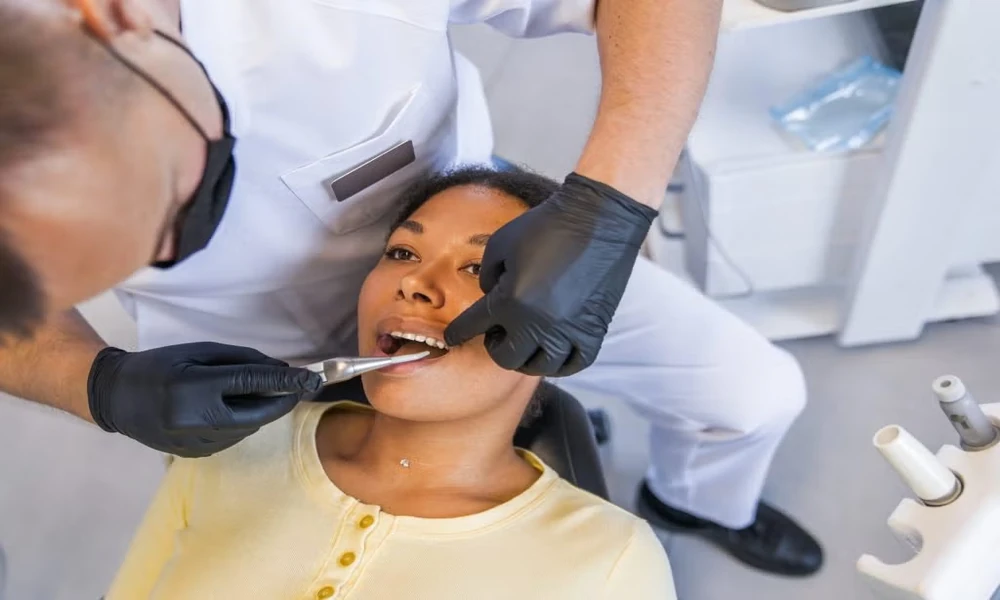
Teeth naturally experience wear over time, but excessive tooth wear can affect both oral health and quality of life. Worn teeth may become shorter, more sensitive, or prone to chipping and cracking. In some cases, patients may notice changes in their bite, difficulty chewing, or a smile that appears aged.
Fortunately, modern restorative dentistry offers several treatment options to repair worn teeth and restore their strength, function, and appearance. Depending on the extent of the damage, your dentist may recommend dental crowns, bonding, veneers, or other restorative treatments. Understanding these options can help patients make informed decisions about protecting their long-term oral health.
For patients in Ontario, seeking treatment early can often prevent further wear and reduce the need for more extensive dental procedures.
What Causes Teeth to Wear Down?
Tooth wear can occur gradually over many years or develop more rapidly due to certain habits or medical conditions.
Common causes include:
- Teeth grinding (bruxism)
- Teeth clenching
- Acid erosion from acidic foods or acid reflux
- Natural aging
- Chewing hard objects
- Misaligned bite
- Poorly fitting restorations
Over time, excessive wear can weaken the teeth and increase the risk of fractures or sensitivity.
Common Signs of Worn Teeth
Many patients do not notice tooth wear until symptoms become more obvious.
Signs that may indicate worn teeth include:
- Teeth that appear shorter than before
- Flattened chewing surfaces
- Increased tooth sensitivity
- Chipped or cracked teeth
- Pain when chewing
- Jaw discomfort
- Changes in bite alignment
- Yellowing teeth due to thinning enamel
A routine dental examination can often identify early signs of wear before significant damage occurs.
How Dentists Evaluate Worn Teeth
Before recommending treatment, your dentist performs a comprehensive assessment to determine the cause and severity of the wear.
The evaluation may include:
- A visual examination
- Digital X-rays
- Bite analysis
- Assessment of teeth grinding habits
- Evaluation of existing dental restorations
- Review of your medical and dental history
Identifying the underlying cause is an important step in preventing future damage.
Dental Crowns for Severely Worn Teeth
When a tooth has lost a significant amount of its structure, a dental crown is often one of the most effective treatment options.
A crown covers the entire visible portion of the tooth, helping to:
- Restore strength
- Improve chewing ability
- Protect against further wear
- Improve appearance
- Restore normal tooth shape
Crowns are commonly recommended when tooth wear is severe enough that a filling or bonding would not provide sufficient support.
Dental Bonding for Minor Wear
For mild to moderate wear, dental bonding may be an appropriate solution.
Composite resin is carefully applied and shaped to restore worn areas while preserving most of the natural tooth.
Bonding may be recommended for:
- Small worn edges
- Minor chips
- Cosmetic improvements
- Early stages of tooth wear
Many bonding procedures can be completed in a single appointment.
Veneers for Cosmetic Improvements
When tooth wear primarily affects the front teeth and appearance is a major concern, veneers may be considered.
Porcelain veneers can improve:
- Tooth length
- Tooth shape
- Surface appearance
- Smile symmetry
- Mild to moderate wear affecting the front teeth
Veneers are typically recommended when the underlying tooth remains structurally healthy.
Additional Restorative Treatments
Depending on the extent of wear, your dentist may recommend additional procedures as part of your treatment plan.
These may include:
- Dental fillings
- Inlays or onlays
- Bite adjustment
- Nightguards for teeth grinding
- Orthodontic treatment to improve bite alignment
- Replacement of worn restorations
Treatment is customized to address both the symptoms and the underlying cause of the wear.
Preventing Further Tooth Wear
Restoring worn teeth is only part of the solution. Preventing additional wear is equally important.
Helpful prevention strategies include:
- Wearing a custom nightguard if you grind your teeth
- Avoiding chewing ice and hard objects
- Limiting acidic foods and beverages
- Treating acid reflux when appropriate
- Maintaining regular dental examinations
- Brushing with a soft-bristled toothbrush
- Following your dentist’s oral hygiene recommendations
Protecting restored teeth helps improve their longevity.
What to Expect During Your Dental Visit
Comprehensive Examination
Your dentist evaluates the extent of tooth wear, examines your bite, and discusses any symptoms you may be experiencing.
Diagnostic Imaging
Digital X-rays or photographs may be used to assess the teeth and supporting structures.
Treatment Planning
A personalized treatment plan is created based on the severity of the wear, your oral health, and your cosmetic goals.
Restorative Treatment
Depending on your needs, treatment may involve crowns, bonding, veneers, or other restorative procedures to rebuild the worn teeth.
Ongoing Maintenance
Follow-up appointments help monitor your restorations and ensure your bite remains healthy and comfortable.
Local Considerations for Ontario Patients
Ontario patients who notice shortening teeth, increased sensitivity, or changes in their bite should seek a professional evaluation before the wear progresses further. Early diagnosis often allows for more conservative treatment and helps preserve natural tooth structure.
Patients concerned about worn teeth may benefit from visiting a dental clinic near you for a comprehensive assessment and personalized treatment recommendations.
Depending on the severity of the wear, your dentist may recommend dental crowns in Cambridge, cosmetic dentistry in Cambridge, or restorative treatments such as dental bonding to rebuild damaged teeth and restore long-term function.
Frequently Asked Questions
What causes teeth to wear down?
Teeth may wear due to grinding, clenching, acid erosion, aging, chewing hard objects, or bite misalignment. A dental examination can help identify the underlying cause.
Can worn teeth be restored?
Yes. Depending on the severity of the wear, dentists may recommend bonding, veneers, crowns, or other restorative treatments to rebuild the affected teeth.
When is a dental crown necessary?
Crowns are often recommended when a tooth has lost significant structure and requires full coverage to restore its strength and protect it from further damage.
Are veneers suitable for worn teeth?
Veneers may be appropriate for front teeth with mild to moderate wear when the primary concern is cosmetic and the underlying tooth remains healthy.
Will a nightguard stop my teeth from wearing down?
A custom nightguard can help protect teeth from further damage caused by nighttime grinding or clenching, although it does not reverse existing wear.
Can tooth wear be prevented?
Many cases of excessive wear can be managed by treating the underlying cause, maintaining good oral hygiene, avoiding harmful habits, and attending regular dental checkups.
Final Thoughts
Worn teeth are a common dental concern that can affect both the appearance and function of your smile. Fortunately, modern restorative dentistry offers a range of solutions-from dental bonding for minor wear to crowns for severely damaged teeth-to help rebuild and protect your natural teeth.
Seeking treatment early allows dentists to preserve as much healthy tooth structure as possible while restoring comfort, chewing ability, and confidence. Regular dental checkups and professional guidance are key to preventing further wear and maintaining a healthy, functional smile for years to come.
