

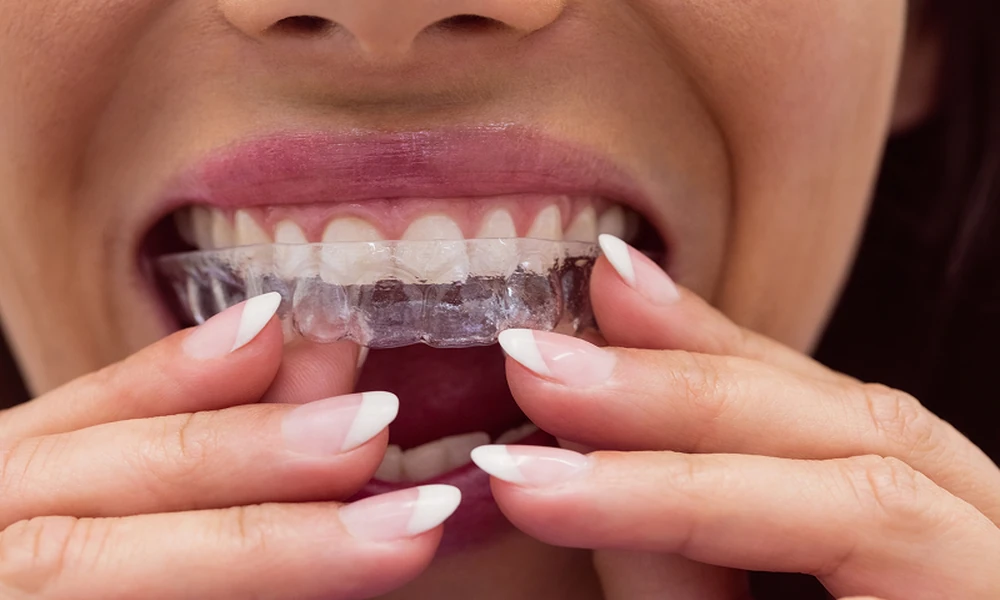
Clear aligners are removed for eating, but food and drink can still affect tooth colour during Invisalign treatment. Certain foods contain strong pigments that can contribute to extrinsic staining, particularly when consumed frequently.
Good oral hygiene can help limit surface staining. Understanding which foods and drinks are more likely to leave stains can also make daily dental care easier throughout aligner treatment.
Which Dark-Coloured Foods Are More Likely to Stain Teeth?
Foods with strong natural or added pigments are more likely to leave colour on tooth surfaces. This does not mean they need to be completely avoided, but regular consumption can contribute to staining over time.
Common examples include:
- Dark berries: Blueberries, blackberries and similar fruits contain strongly coloured pigments that may contribute to surface staining.
- Tomato-based sauces: Tomato sauces have a strong red colour and are also acidic, making them a common food associated with staining.
- Beetroot: Its intense red-purple pigments can temporarily colour the mouth and contribute to surface staining.
- Dark sauces: Soy sauce, balsamic vinegar and other deeply coloured sauces may contribute to discolouration when consumed regularly.
- Dark sweets: Sweets and desserts containing strong food colourings can leave pigments on teeth.
People undergoing Invisalign treatment should remove their aligners before eating. Food particles should also be cleared from the teeth before the aligners are put back in, helping prevent residue from remaining against tooth surfaces.
Overall, strongly pigmented foods are more likely to affect tooth colour than lightly coloured foods. However, drinks can be an equally important source of staining.
Which Drinks Are More Likely to Stain Teeth During Invisalign?
Several commonly consumed drinks contain pigments that can gradually contribute to extrinsic tooth staining. Tea and coffee are particularly well-known examples because they contain compounds that can contribute to colour deposits on enamel.
Drinks commonly associated with staining include:
- Coffee: Frequent coffee consumption can contribute to yellow or brown surface stains.
- Black tea: Tea contains tannins and pigments that can contribute to staining.
- Red wine: Its dark pigments and tannins can affect tooth colour.
- Cola and dark soft drinks: Their colouring can contribute to surface stains, while many soft drinks are also acidic.
- Dark fruit juices: Juices made from berries, grapes and other strongly pigmented fruits may leave colour on teeth.
Clear aligners should generally be removed when drinking beverages other than plain water, following the instructions provided by the treating dental professional. This also helps reduce the chance of staining or damaging the aligners.
In short, frequent exposure to strongly coloured beverages can affect tooth colour. Spices and seasonings are another source of concentrated pigments worth considering.
Which Spices and Seasonings Can Contribute to Tooth Staining?
Some spices have particularly strong pigments. Turmeric is a notable example because its yellow pigment, curcumin, can readily colour surfaces it contacts.
Other foods and seasonings that may contribute to staining include:
- turmeric and turmeric-containing dishes
- strongly coloured curry sauces
- soy sauce
- balsamic vinegar
- dark marinades
- sauces containing concentrated tomato or coloured spices
These ingredients do not necessarily need to be removed from the diet. Their potential staining effect depends partly on frequency of exposure and oral hygiene afterwards.
For people concerned about persistent discolouration, a dentist can determine whether the change is caused by removable surface stains or another type of tooth discolouration. This distinction is also relevant when considering options such as affordable teeth whitening in Singapore, as not every type of discolouration responds to whitening in the same way.
How Can You Reduce Food-Related Staining During Invisalign Treatment?
Reducing stains during aligner treatment mainly involves limiting the amount of time food pigments and residue remain on the teeth. Consistent oral hygiene is particularly important because aligners are worn for much of the day.
Practical steps include:
- Remove aligners before eating and before drinking anything other than plain water, unless advised otherwise by your dental professional.
- Rinse your mouth with water after consuming strongly coloured foods or drinks.
- Brush and clean between the teeth regularly to remove plaque and food residue.
- Avoid putting aligners back over teeth that still have visible food particles.
- Clean aligners according to the instructions supplied by the dentist or orthodontist.
- Attend recommended dental examinations and professional cleanings.
If brushing immediately after an acidic food or drink, it may be appropriate to wait before brushing because acids can temporarily soften the enamel surface. Rinsing with water first can help clear residue.
Professional cleaning can remove certain external stains and deposits, but it is different from teeth whitening. Anyone considering affordable teeth whitening during or after aligner treatment should discuss timing and suitability with a dentist, particularly if Invisalign attachments are still present.
Overall, avoiding every staining food is usually unnecessary. Removing aligners for meals, keeping the teeth clean and limiting prolonged exposure to strongly pigmented foods and drinks can help manage surface staining during treatment.
Reach out to Canaan Dental to keep your smile looking fresh during Invisalign.
