

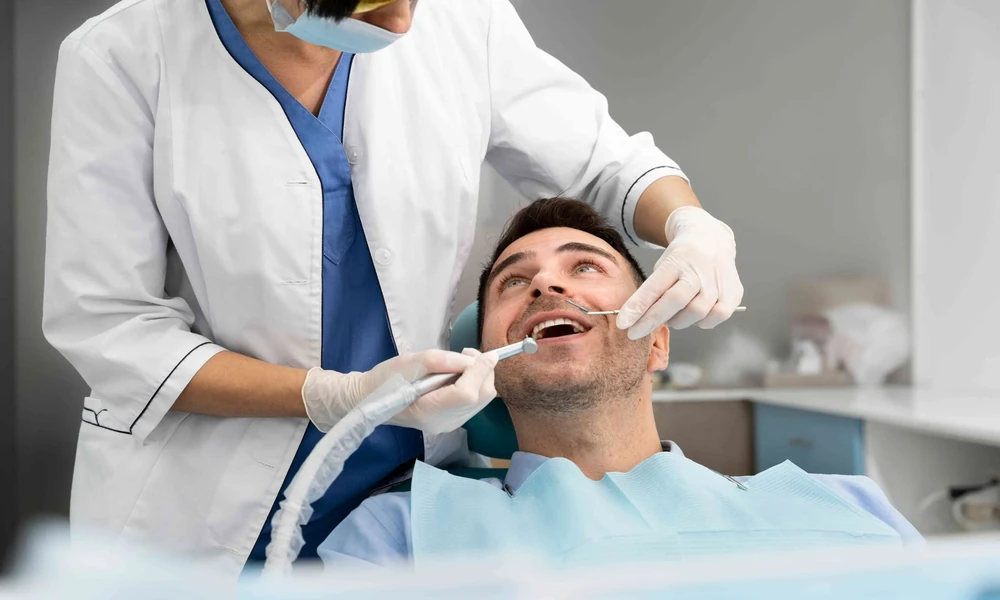
You look in the mirror and something feels off. Maybe one veneer is darker than the others, an old bonding edge has chipped, or a crown that once blended in now stands out in photos. The rest of your smile may still look good, which makes the problem more frustrating. You do not want a full cosmetic redo. You want the one thing that aged badly to stop drawing attention, and cosmetic dental services in Bridgeport CT can help.
That is often possible. Dentists can refresh worn or mismatched cosmetic work in a focused way, preserving the parts of your smile that still serve you well. How dentists update older cosmetic dental work without redesigning the entire smile usually comes down to careful shade matching, modern materials, and deciding what can stay versus what needs replacement.
Older Cosmetic Dental Work Often Ages Unevenly
Cosmetic dentistry does not fail all at once. It tends to age in pieces. Composite bonding can stain faster than porcelain. One crown may sit next to natural enamel that has changed color over time. Gum levels can shift, exposing margins that were once hidden. A repair done years ago may still be functional, but the shape, shine, or color no longer fits your current smile.
This is where people get stuck. They assume one visible problem means every veneer, crown, or bonded tooth has to come off. That fear is understandable because full smile makeovers are expensive, time consuming, and hard to commit to if most of your dental work still looks fine.
Selective treatment is often the better path. A family and cosmetic dentist can examine the materials used, the condition of the tooth underneath, your bite, and how the old work interacts with nearby teeth. If the foundation is healthy, a targeted update can improve the look of your smile without changing its whole design.
Modern Dental Materials Make Partial Cosmetic Updates More Realistic
Older cosmetic work was limited by the materials available at the time. Newer ceramics and bonding systems give dentists more control over translucency, polish, and color stability. The National Institute of Dental and Craniofacial Research outlines how dental materials research has improved strength and appearance, which matters when a dentist is trying to match one updated tooth to several existing ones.
That does not mean every old restoration can be patched forever. Some materials wear down, margins break, and underlying decay can develop. MedlinePlus explains the basics of dental crown placement and replacement, and the same principle applies to many cosmetic restorations. If the structure underneath is compromised, replacing only the visible surface is not enough.
Still, many cases fall in the middle. A single discolored veneer may be replaced while neighboring veneers remain. Stained bonding on one front tooth may be removed and redone. An old crown can be remade to match surrounding teeth after whitening the natural enamel first. This is often called updating old veneers and crowns, but the goal is not to create a brand new smile. The goal is to make the old work stop looking old.
Matching Existing Cosmetic Dentistry Takes Planning, Not Guesswork
The hardest part of a partial update is blending the new work with what stays. You may already know this from seeing one tooth look too bright, too flat, or too opaque after a rushed repair. That mismatch is what people notice.
A careful dentist studies color in layers, not just one shade tab. Teeth reflect light, show translucency near the edges, and pick up warmth from surrounding enamel. Existing restorations may have lost gloss or changed color in ways natural teeth did not. In some cases, minor reshaping or polishing of nearby teeth helps the whole smile look more even without replacing them.
The NIDCR also provides a deeper look at newer restorative options in its dental materials report. That progress helps dentists handle one of the biggest concerns in cosmetic dental work repair, which is making a repair disappear instead of announcing itself.
Common Partial Smile Update Options
| Concern | Possible Targeted Fix | When It Works Best | When Replacement Is More Likely |
|---|---|---|---|
| Stained composite bonding | Polishing or replacing the bonded area | Small chips, surface discoloration, stable tooth structure | Repeated staining, poor shape, decay under the bonding |
| One mismatched veneer | Replace the single veneer | Neighboring veneers still fit well and look natural | Several veneers have wear, cracks, or outdated shape |
| Old crown showing at the gumline | Replace the crown with improved shade and margin design | Only one crown is affected and the bite is stable | Multiple crowns have exposed margins or bite issues |
| Uneven tooth color around old restorations | Whitening natural teeth before remake of selected restorations | Natural teeth have darkened more than the restorations | Restorations are too numerous or too mismatched to blend |
This is why a full redesign is not always the answer. If your smile still has a good shape and your bite is comfortable, focused treatment can protect what is working and improve what is not. That approach usually lowers cost, shortens treatment time, and avoids removing sound dental work just for the sake of uniformity.
Small Cosmetic Problems Can Turn Into Bigger Functional Ones
What starts as a cosmetic annoyance can become more than that. A chipped veneer edge can trap stain and plaque. A crown with an open margin can invite decay. Bonding that has worn flat can change how front teeth meet. You may think you are only dealing with appearance, then find out the repair is also about protecting the tooth.
That is why timing matters. Waiting until a small mismatch becomes a structural problem usually narrows your options. Early evaluation gives you the best chance of keeping treatment conservative.
Three Smart Steps to Take Before Updating Old Cosmetic Dentistry
1. Ask which restorations are healthy enough to keep. You need a clear answer on what is still sealed, stable, and worth preserving. If a dentist cannot explain why one piece can stay and another should go, keep asking.
2. Get the color plan before any replacement starts. If whitening is part of the process, do it first. Then the new veneer, crown, or bonding can be matched to the shade you actually want to keep.
3. Request a phased treatment option. Many people do better with staged care. One tooth or one section can be updated first, especially when the rest of the smile is still functioning well. This is often the most practical path for refreshing old dental veneers and similar work.
A Careful Update Can Preserve the Smile You Already Like
You do not need to start over just because one part of your cosmetic dental work has aged badly. In many cases, a skilled family and cosmetic dentist can repair, replace, or refine selected restorations and leave the rest of your smile intact. That keeps the process simpler and often more affordable, while still giving you a result that looks natural and feels like you.
If an older veneer, crown, or bonded tooth has started to stand out, schedule an evaluation and ask about selective cosmetic updates before committing to a full redesign.
