

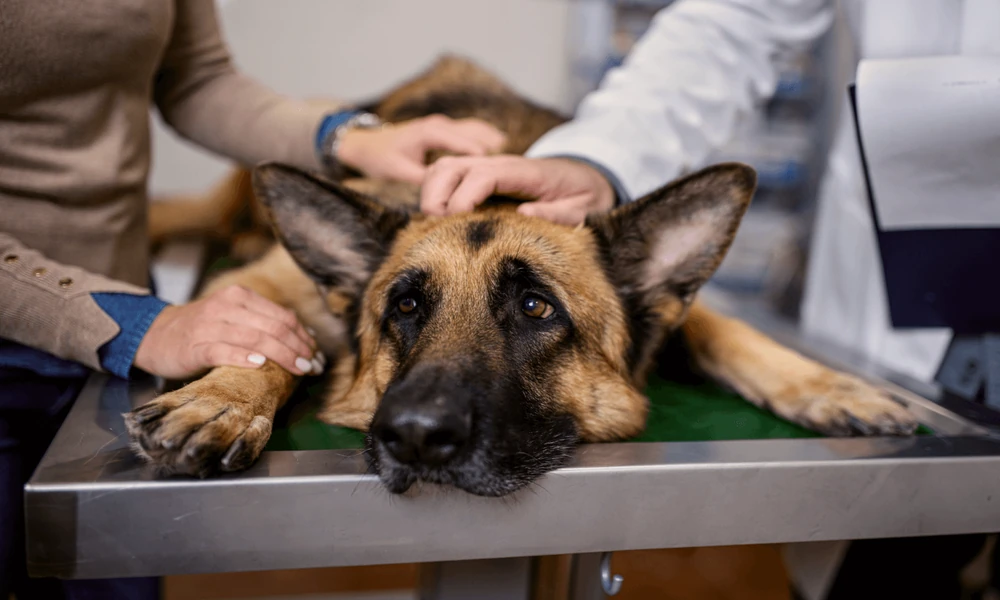
You notice the small things first. Your dog seems a little less eager on walks. Your cat is eating, but not with the same interest. Nothing looks like an emergency, which almost makes it harder, because you are left wondering whether to wait, worry, or book the visit with a 4S Ranch veterinarian. That uncertainty is where many pet health problems begin.
Why General Vets Play A Critical Role In Pet Wellness Plans comes down to one simple truth. Most pets do not go from healthy to seriously ill overnight. Changes build quietly, and a general veterinarian is often the person who catches them early, tracks them over time, and helps you avoid bigger medical and financial stress later. A primary care veterinarian for pets does much more than give vaccines. They become the steady point of care that keeps your pet’s routine health plan grounded in real life.
General veterinary care gives pets consistent protection
A wellness plan only works when someone is watching the full picture. That includes weight trends, dental health, skin changes, parasite prevention, behavior shifts, mobility, diet, and age related risk. A general veterinarian sees how those pieces connect. If your pet starts drinking more water, gains weight, scratches more often, or slows down on stairs, those details matter together, not one at a time.
This is where regular care changes outcomes. A yearly or twice yearly exam can uncover heart murmurs, early dental disease, joint pain, lumps, ear infections, and lab changes before your pet looks obviously sick. The Cornell Small Animal Community Practice reflects this model of care, where routine exams, prevention, and long term management all work together.
Without that ongoing relationship, pet owners often end up reacting instead of planning. They seek help only when a problem becomes hard to ignore. By then, treatment may be more expensive, more invasive, and harder on the animal. A pet wellness plan supported by a general vet is not about doing more for the sake of it. It is about doing the right things at the right time.
Preventive care from a general veterinarian lowers risk before illness starts
Prevention is easy to undervalue when your pet seems fine. That is exactly why it matters. Parasites, tick borne disease, dental decay, obesity, and chronic illness often develop in the background. You may not see the first stage, but your veterinarian knows what to look for and when to test.
Heartworm and Lyme disease are a good example. Many pet owners assume these risks are seasonal, regional, or easy to spot. They are not always. Testing and prevention depend on your pet’s habits, travel, and exposure. The University of Illinois explains how prevention and testing help keep pets safe from heartworm and Lyme disease, which is exactly the kind of guidance a general vet applies to your pet’s daily life.
That same logic applies to vaccines, nutrition counseling, senior screenings, and dental checks. A young dog may need behavior advice and parasite control. A middle aged cat may need bloodwork to catch kidney changes early. A senior pet may need arthritis support before pain changes their quality of life. Routine vet care for pets is not one size fits all. It changes as your animal changes.
General vets help pet owners make smarter decisions under stress
Most people do not struggle because they do not care. They struggle because pet care gets confusing fast. One article says a symptom is harmless. Another says it is urgent. Online advice cannot examine your pet, compare today’s findings to last year’s exam, or tell whether a subtle change is normal aging or the start of disease.
A general veterinarian gives context. If your dog vomits once, that may not be alarming. If the same dog also lost weight, skipped breakfast, and has a history of pancreatitis, it means something different. If your cat seems withdrawn, stress could be part of it, but so could pain, thyroid disease, or blood pressure changes. General veterinary care turns isolated symptoms into a clinical picture.
That guidance also matters when life changes. If you are moving or traveling with a pet, health planning becomes more than shots and food bowls. The USDA pet travel process overview shows how travel rules can involve timelines, records, vaccines, and country specific requirements. A general vet helps you meet those demands before they become last minute problems.
Pet wellness plans work better when general vets coordinate care
Specialists have an important role, but they are not a replacement for a general veterinarian. A specialist may treat one condition well, while your general vet keeps track of the rest, medications, preventive care, and how treatments affect the whole pet. That continuity matters when multiple issues overlap, which they often do as pets age.
| Approach | What It Looks Like | Likely Outcome |
|---|---|---|
| Reactive care only | Visits happen only when symptoms are obvious | Problems are found later, costs are often higher, pets may need stronger treatment |
| Wellness plan with a general veterinarian | Regular exams, preventive testing, vaccine review, parasite control, dental checks, diet guidance | Earlier detection, steadier budgeting, clearer records, better long term comfort |
| Specialist care without primary vet follow up | One issue is treated, but routine health needs are handled inconsistently | Gaps in prevention, medication oversight, and whole pet monitoring |
The value of a general veterinarian is not only medical. It is practical. You get a clearer care schedule, fewer missed details, and a professional who knows your pet beyond a single urgent visit.
Small actions now make pet wellness plans easier to manage
Schedule routine exams before there is a problem. Annual visits are a baseline for many pets, and some seniors or pets with chronic conditions need more frequent checks. Booking before symptoms show up gives your veterinarian something just as useful as the exam itself, which is a history they can compare over time.
Track changes at home in simple terms. Write down appetite, water intake, bathroom habits, weight changes, energy, scratching, limping, coughing, or behavior shifts. You do not need perfect notes. A few clear observations can help your vet spot patterns faster.
Ask for a prevention plan that fits your pet’s real life. Indoor pets, hiking dogs, anxious cats, senior pets, and frequent travelers all have different needs. Ask what vaccines, screenings, diet changes, dental care, and parasite prevention make sense for your animal now, not six years ago.
Pet care feels lighter when you are not trying to figure everything out alone. The right wellness plan gives structure, and the right veterinarian gives that plan meaning. When a general vet knows your pet over time, small concerns get answered sooner, health risks are easier to manage, and you are less likely to be blindsided by problems that could have been caught earlier.
Your pet does not need perfect care. Your pet needs steady care, and that usually starts with a trusted general veterinarian.
