

Introduction
Not all eye protection during recovery looks the same, and understanding the different tools involved, and when each one actually matters, helps make sense of why surgeons are so specific about their instructions. From rigid shields to UV-blocking sunglasses, each piece of protective equipment serves a distinct purpose at a different stage of healing. Looking at how these pieces fit together shows just how deliberate the whole process really is.
Protective measures play an important role in helping the eyes recover safely after a surgical procedure. Proper eye protection can reduce the chance of accidental rubbing, pressure, bright-light discomfort, or exposure to dust and other irritants while the tissues are healing. The type of protection needed can change as recovery progresses, so patients should follow their surgeon’s recommendations about shields, sunglasses, and other precautions rather than assuming the same measures are necessary throughout the entire healing period.
Rigid Shields Handle the Highest-Risk Period
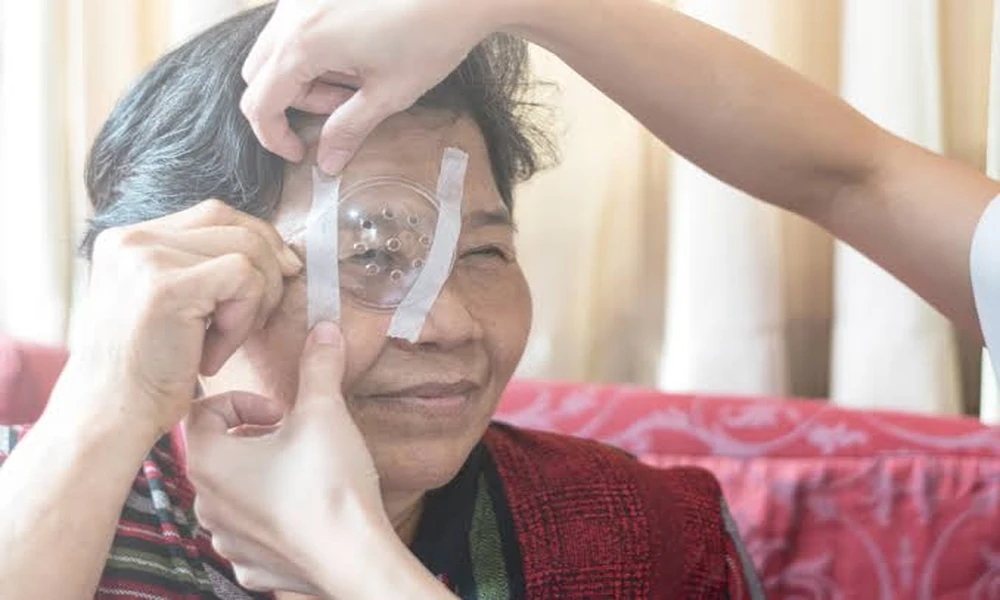
In the earliest days after surgery, a clear, rigid shield is usually the primary form of protection, worn especially during sleep when a patient has no control over unconscious movements. Unlike a soft patch, a rigid shield creates a physical barrier strong enough to prevent pressure or impact from reaching the eye, which matters most during the window right after surgery when tissue is at its most vulnerable.
Sunglasses Take Over for Daytime Protection
Once a patient is up and moving through a normal day, UV-blocking sunglasses become the main line of defense, reducing light sensitivity and shielding the eye from wind, dust, and glare. Wraparound styles offer extra coverage from the sides, which is particularly useful during the first few weeks when the eye tends to be more reactive to bright light than usual.
The Timeline for Protection Shifts as Healing Progresses
Protection needs generally decrease as recovery moves forward, with rigid shields typically needed for about a week and sunglasses continuing for a longer stretch, sometimes several weeks, especially outdoors. Surgeons tailor this timeline to the specific procedure and how an individual patient is healing, which is why follow-up appointments play such an important role in deciding when it’s safe to scale back.
Long-Term UV Protection Remains Valuable Beyond Recovery
Even after the acute recovery period ends, continuing to wear UV-protective sunglasses outdoors is a habit worth keeping permanently, not just during the weeks immediately following surgery. Since UV exposure is linked to long-term eye conditions like cataracts, the habit built during recovery often ends up benefiting eye health well beyond the original procedure.
Following the Full Timeline Protects the Investment
Surgery, recovery time, and the adjustment period all represent a real investment in better vision, and cutting corners on protection partway through recovery risks undermining all of it. Sticking with the complete protection timeline, even once the eye starts feeling back to normal, is what actually locks in the results a patient went through the procedure to achieve.
Conclusion
Eye protection during surgical recovery isn’t a single static rule, it’s a layered approach that shifts as healing progresses, from rigid shields during the highest-risk early days to sunglasses that carry protection well into the following weeks. Understanding why each tool matters at its specific stage makes it easier to follow through consistently rather than treating the guidelines as arbitrary. Sticking with a surgeon’s specific timeline is the most reliable way to protect both the short-term results and the long-term health of the eye.
