

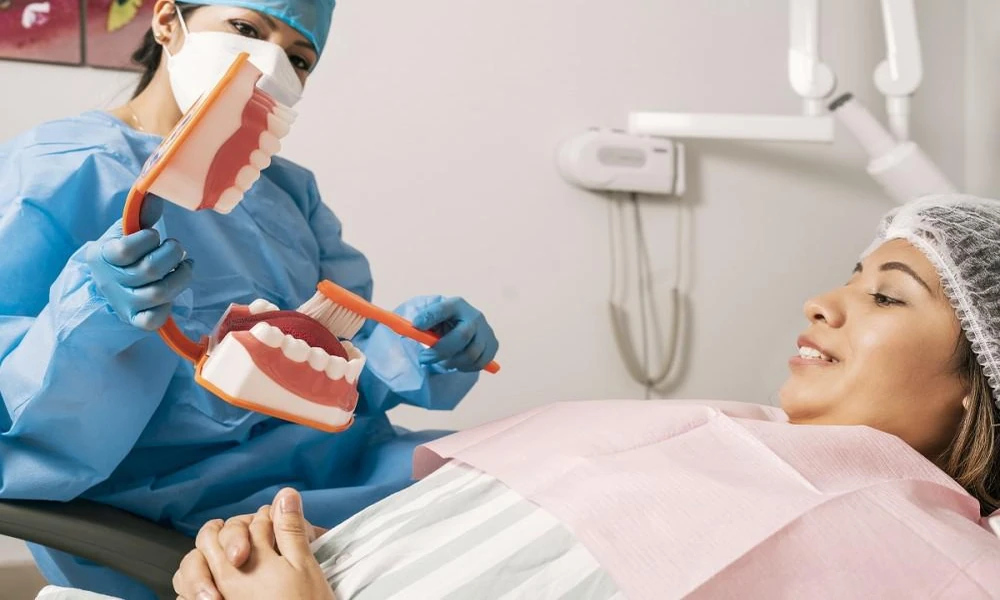
You know the feeling. Your dental appointment is coming up, and even if you are not scared, you still do a quick mental review of everything you meant to do better. Brush longer. Floss more. Cut back on sugar. Schedule sooner next time. A lot of people walk into a checkup carrying that quiet guilt, and it makes a simple visit feel heavier than it needs to. A Redmond dentist understands that feeling and can help make the visit feel more comfortable.
The good news is that easier dental visits usually do not come from doing anything extreme. They come from a handful of steady habits that keep small issues from turning into painful, expensive ones. When your mouth stays healthier between appointments, a general dentistry visit is more likely to mean a routine cleaning, a quick exam, and clear advice instead of surprise treatment.
That is the heart of it. Prevention lowers stress, saves time, and often saves money. These six habits help make checkups smoother and support better long term oral health.
Daily oral hygiene habits shape what happens in the dental chair
Most hard dental visits start long before the appointment. Plaque builds up quietly. Gums get irritated. A tooth that felt “mostly fine” becomes sensitive, then painful. By the time you sit down with a general dentist, the problem has had weeks or months to grow.
Brushing twice a day with fluoride toothpaste is the first habit that changes that pattern. The National Institute of Dental and Craniofacial Research outlines daily oral hygiene basics that are simple and effective, including brushing for two minutes and cleaning between teeth every day. That daily consistency matters more than occasional bursts of effort right before a visit.
Flossing, or using interdental cleaners if floss is hard for you, is the second habit. This is where many people get stuck. You brush, your teeth look clean, and it feels close enough. Then the dentist points out bleeding gums or buildup between teeth. That is frustrating because you thought you were doing enough. Cleaning those tight spaces reduces inflammation, and less inflammation usually means less tenderness during cleanings.
The third habit is using fluoride regularly. Fluoride helps strengthen enamel and lowers the risk of cavities. The CDC explains how fluoride protects teeth by making them more resistant to acid attacks from bacteria and sugars. If you tend to get cavities despite brushing, this one can make a real difference.
Food, drink, and timing affect preventive dental care more than most people expect
The fourth habit is managing how often your teeth face sugar and acid. It is not only about candy. Sipping soda, sports drinks, sweet coffee, or even juice throughout the day keeps your mouth under constant attack. If you have ever been told, “You have a few spots we should watch,” this is often part of the reason.
Frequency matters because your teeth need time to recover after acid exposure. Drinking water after meals, limiting frequent snacking, and keeping sugary drinks to mealtimes can reduce that repeated strain. The CDC shares practical oral health tips for adults that support this kind of prevention.
The fifth habit is not using your teeth like tools. Biting nails, chewing ice, tearing packages, and clenching through stress may seem harmless until a tooth chips or a filling cracks. Then a basic checkup becomes a repair visit. This is one of those habits people rarely mention until something breaks, and by then the cost is usually much higher than prevention.
The sixth habit is keeping regular appointments instead of waiting for pain. Pain is a late signal. Gum disease, cavities, and worn fillings can all progress quietly. If you only go when something hurts, visits are more likely to involve treatment, numbness, and longer chair time. Preventive dental care works best when problems are still small.
Preventive habits reduce the chance of bigger and more expensive dental problems
Small lapses tend to stack up. You skip flossing because your gums bleed, then they keep bleeding because they are inflamed. You put off a cleaning because money feels tight, then you end up needing a filling or deep gum treatment that costs more. That cycle is common, and it is exhausting.
Routine dental visits get easier when your daily habits lower the amount of buildup, inflammation, and decay your dentist finds. That often means shorter cleanings, fewer X ray surprises, and fewer moments where you hear, “We need to fix this soon.”
| Preventive habit | What it helps prevent | How it can affect your dental visit |
|---|---|---|
| Brush twice daily with fluoride toothpaste | Plaque buildup, early cavities | Cleaner teeth, fewer cavity concerns |
| Clean between teeth every day | Gum inflammation, tartar between teeth | Less bleeding, more comfortable cleanings |
| Limit frequent sugary and acidic drinks | Enamel wear, decay | Fewer weak spots to monitor or treat |
| Drink water after meals and snacks | Lingering acid and food debris | Lower plaque buildup at checkups |
| Avoid chewing ice or using teeth as tools | Chips, cracks, broken dental work | Fewer surprise repairs |
| Keep regular checkups | Advanced decay, untreated gum problems | More preventive care, less major treatment |
Simple steps can make your next dentist appointment easier
Build a two minute routine you can actually keep.
If your current routine is uneven, do not aim for perfect. Aim for repeatable. Brush in the morning and before bed, use fluoride toothpaste, and clean between your teeth once a day. Tie it to something fixed, like after coffee or before charging your phone at night.
Change one eating or drinking pattern this week.
You do not need a total diet overhaul to help your teeth. Pick one high impact change, like replacing your afternoon soda with water, cutting down on all day sipping, or saving sweets for mealtime instead of grazing. Small changes done daily help more than strict changes that last three days.
Schedule visits before a problem forces the issue.
If it has been longer than you planned, you are not alone. Book the appointment anyway. A standard exam with a general dentist is usually easier, cheaper, and less stressful than waiting until pain makes the decision for you.
Steady preventive care makes general dentistry simpler
You do not need flawless habits to have an easier dental visit. You need a few steady ones. Brush well, clean between your teeth, use fluoride, watch the constant sugar and acid, protect your teeth from avoidable damage, and keep up with regular care. Those are the habits that turn dental appointments back into routine health maintenance instead of something you brace for.
If your next visit has been sitting in the back of your mind, take that as your cue to act now and schedule your checkup.
