
You brush your child’s teeth, you try to limit sweets, and then you hear that xylitol might help prevent cavities too. That can feel like one more thing to figure out when you already have enough on your plate. If you are wondering whether xylitol is useful, safe, or just another trend, you are not overthinking it. Parents hear mixed advice all the time, and Children’s Dental FunZone in Riverside, CA understands how confusing that can be.
The short version is this. Xylitol can help lower cavity risk in some children because it reduces the growth of decay causing bacteria, but it is not a substitute for brushing with fluoride toothpaste, regular dental visits, and daily habits that protect teeth. For families looking into xylitol for cavities, the goal is not to find a magic fix. It is to understand where xylitol fits into a real prevention plan.
Xylitol helps with tooth decay prevention, but it does not replace the basics
Xylitol is a sugar alcohol used in some gums, mints, wipes, toothpaste, and candies. Unlike regular sugar, it is not easily used by the bacteria that cause tooth decay. That matters because cavities start when bacteria feed on sugars and make acids that weaken enamel. If you want a plain language overview of how decay develops, this MedlinePlus guide to tooth decay explains it clearly.
Parents often ask whether xylitol alone can stop cavities. It cannot. A child who snacks often on sticky foods, skips brushing at night, or falls asleep with milk or juice still has a high risk for decay even if xylitol is part of the routine. Xylitol works best as support, not as a rescue plan.
Parents often ask whether xylitol is safe for children
This is usually the first concern, and it should be. Xylitol is considered safe for people when used as directed, but age and product type matter. A toddler who cannot chew gum safely should not be given gum just because gum with xylitol exists. Some children also get stomach upset, gas, or loose stools if they have too much.
The form matters as much as the ingredient. Older children may use xylitol gum or mints if they can handle them safely. Younger children may be better suited for toothpaste or other dentist recommended products. If your child has ongoing digestive issues, that is another reason to ask a pediatric dentist before adding anything new.
One more safety point that parents need to know. Xylitol is extremely dangerous for dogs. Keep all xylitol products out of reach at home, in backpacks, and in cars.
The amount and timing of xylitol make a difference in cavity prevention
Many parents assume that if a little is good, any xylitol product on the shelf will do the job. That is where things get confusing. Research suggests xylitol is more helpful when it is used consistently and in the right total daily amount. The American Academy of Pediatric Dentistry explains that effect in its xylitol use policy, which also points out that xylitol should be part of a larger preventive plan.
That means one mint once in a while is not likely to change much. A product also may say “made with xylitol” while containing only a small amount. Parents trying to use xylitol for cavity prevention for kids often get tripped up here, because labels do not always make the real dose easy to spot.
Xylitol is useful for some families, but fluoride and daily habits still do more
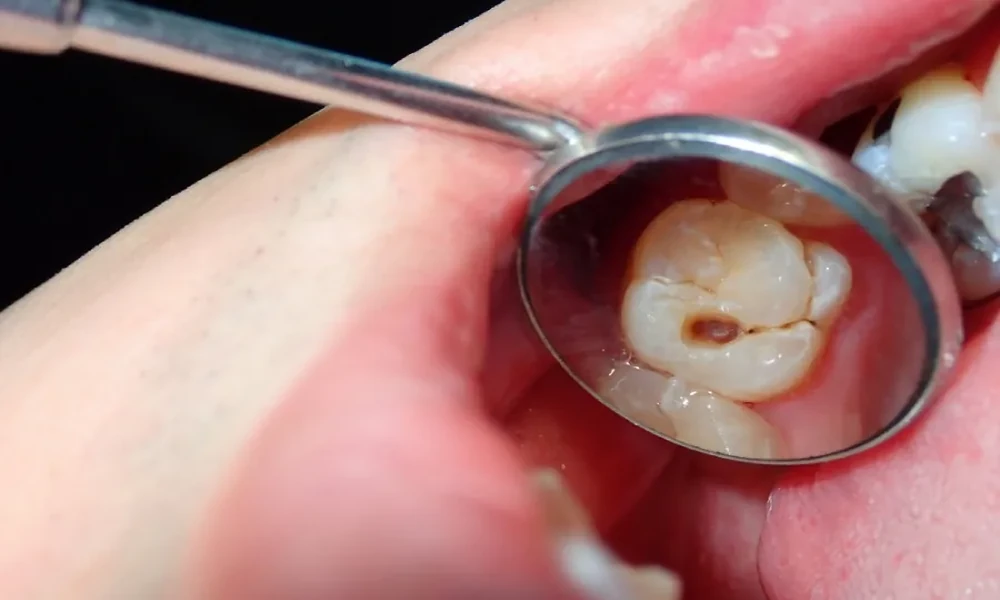
If your child is already prone to cavities, it makes sense to want every possible layer of protection. Still, fluoride toothpaste, regular brushing, flossing where teeth touch, smart snack choices, and routine exams usually have a bigger impact than xylitol alone. If your child already has a cavity, xylitol will not reverse a hole in the tooth. It may help reduce future risk, but active decay still needs proper care.
Parents also ask about natural options because they worry about overdoing treatment. That concern is common. The better frame is not natural versus clinical. It is what works, what is safe for your child’s age, and what you can actually keep doing every day.
Common xylitol options vary in convenience, safety, and benefit
| Option | Best Fit | Main Benefit | Main Concern |
|---|---|---|---|
| Xylitol gum | Older children who can chew safely | Stimulates saliva and may reduce cavity causing bacteria | Not safe for young children, dose may be inconsistent |
| Xylitol mints | Older kids and teens | Easy to carry and use after meals | Choking risk for small children, some products have low xylitol amounts |
| Xylitol toothpaste | Children already brushing daily | Simple way to add xylitol to an existing routine | Still needs fluoride for stronger cavity protection in most cases |
| Xylitol wipes or gels | Infants or toddlers with dentist guidance | May be easier than gum or mints for very young children | Benefit depends on regular use and the specific product |
If you are comparing products, read labels closely and think about your child’s age first. A product that is convenient for a twelve year old may be a poor choice for a three year old.
Three practical steps parents can take right away
1. Review your child’s cavity risk honestly. If your child has had past decay, frequent snacking, dry mouth, weak brushing habits, or drinks sweet beverages often, xylitol may be worth discussing. If risk is low, the basics may already be doing the heavy lifting.
2. Check the product, not just the front label. Look for the actual xylitol content, the serving size, and age guidance. “Sugar free” does not always mean useful for tooth decay prevention. Keep in mind that too much can cause stomach upset.
3. Ask a pediatric dentist where xylitol fits in your child’s routine. This matters most if your child is very young, has special health needs, wears orthodontic appliances, or gets cavities often. If you also want a quick review of foods and habits tied to decay, this MedlinePlus page on preventing cavities is a helpful place to start.
You do not need to get every detail perfect to protect your child’s teeth. You need a plan that works in real life, morning after morning and bedtime after bedtime. Xylitol can be one useful piece of that plan, especially for kids with higher cavity risk, but it works best when it supports the habits that matter most. If you are unsure which products make sense or whether your child would benefit, a pediatric dentist can help you sort through the noise and make a prevention plan that fits your family.
