

You might be feeling caught between two worries at once. On one side, you want your smile to look natural, strong, and healthy again. On the other, you may be wondering how much treatment will cost, how long it will take, and whether the results will really last. That tension is real, especially when a chipped tooth, worn filling, missing tooth, or long standing discoloration starts to affect how you eat, speak, or smile in photos. A Lower Manhattan dentist can help you explore options that restore both function and confidence.
The good news is that patient care is changing in ways that can make treatment more precise, more comfortable, and more personal. The future of cosmetic and restorative dentistry is not only about appearance. It is also about function, durability, and helping you keep more of your natural tooth structure whenever possible. If you have been putting off care because it felt overwhelming, this shift matters.
Why Does Modern Cosmetic And Restorative Dental Care Feel So Different Now?
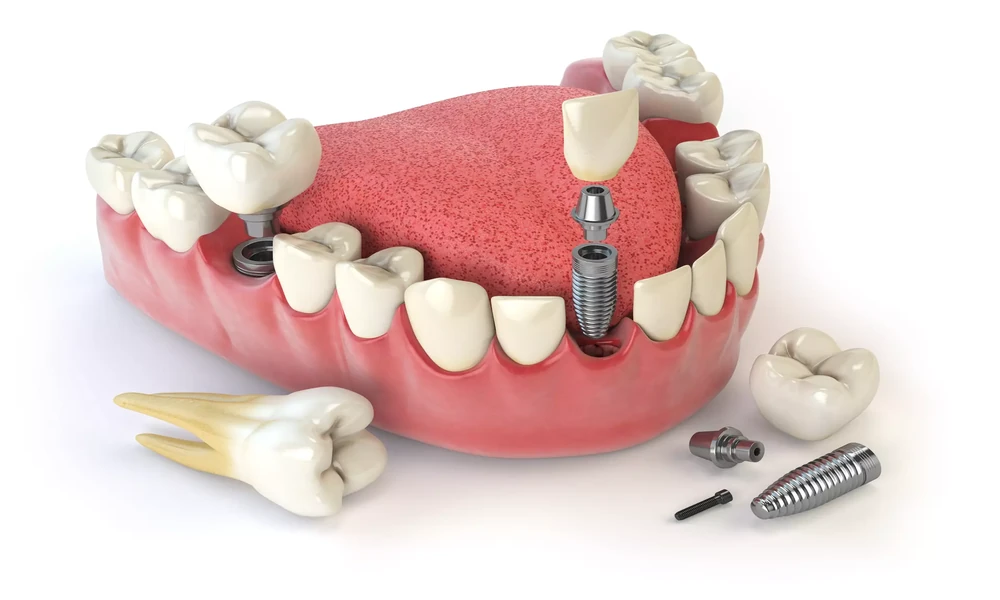
Years ago, many people thought of cosmetic work as optional and restorative work as purely practical. That line is fading. A crown can restore strength and improve appearance. A dental implant can help support chewing and also fill the gap in your smile. Tooth colored materials can repair damage without the obvious look of older metal restorations. Because of this, treatment is becoming less about choosing between health and beauty, and more about building both together.
That matters when daily life is already hard enough. If a cracked tooth makes you chew on one side, or if missing teeth make you avoid certain foods, the problem rarely stays small. You may start changing your habits, hiding your smile, or delaying treatment until the damage gets worse. Then the fix often becomes more involved and more expensive.
So, where does that leave you? It means patient care is moving toward earlier intervention, better materials, and planning that fits your goals. According to the National Institute of Dental and Craniofacial Research, advances in dental materials research are helping improve strength, bonding, wear resistance, and biocompatibility. In plain terms, repairs are being designed to hold up better while looking and feeling more natural.
What Challenges Still Matter When You Need A Cosmetic And Restorative Dentist?
Even with better options, the decision can still feel heavy. Cost is often the first concern. A small bonded repair is very different from a full mouth plan involving crowns, implants, or veneers. Time is another issue. You may be balancing work, family, and recovery. Then there is trust. If you have had dental work fail before, or if you have felt judged in a dental chair, it is hard to feel calm about trying again.
There is also the emotional side people do not always talk about. A worn down smile can make you look older or more tired than you feel. A missing front tooth can change the way you laugh. When that happens, treatment becomes about more than teeth. It touches confidence, comfort, and how you move through the day.
This is why the shift toward patient centered planning matters so much. A thoughtful restorative and cosmetic dental care plan looks at your bite, gum health, bone support, habits like grinding, and your long term goals. It is not only about fixing what is visible today. It is about reducing the chance that one repair leads to another problem later.
How Is The Future Of Smile Restoration Shaping Better Patient Care?
One of the clearest changes is the move toward conservative treatment. Better imaging, digital scanning, and stronger tooth colored materials can help preserve more healthy tooth structure. That often means a more precise fit and a result that blends in better with your natural teeth.
Another change is the growing focus on whole person outcomes. National oral health data continues to show the strong link between oral health and quality of life. The NIDCR overview of oral health in America makes the point clearly. Oral conditions can affect eating, speaking, work, sleep, and social well being. When care improves those areas, the value goes far beyond aesthetics.
You can see this in common situations. If you have old fillings that keep breaking, newer materials and bite analysis may lower repeat repairs. If you have missing teeth, planning may now focus on preserving bone and balancing your bite, not only filling the space. If you want a brighter smile, treatment may start with gum health and enamel protection so the result is safer and more stable.
What Should You Compare Before Choosing Cosmetic Tooth Repair Or Larger Treatment?
When options sound similar, it helps to compare them in a simple way. The table below can help you think through the tradeoffs.
| Option | Best For | Main Benefit | Main Concern |
|---|---|---|---|
| Bonding | Small chips, minor gaps, limited wear | Usually conservative and quicker | May stain or wear sooner than other options |
| Veneers | Front teeth with shape or color concerns | Strong cosmetic improvement | Not the right fit for every bite or grinding habit |
| Crowns | Teeth with large cracks, decay, or heavy damage | Restores strength and appearance | Requires more tooth coverage than smaller repairs |
| Implants | Missing teeth with enough bone support or planned grafting | Replaces tooth root and visible tooth | Higher cost and longer treatment timeline |
There is no single best answer for everyone. A younger patient with a small chip may do well with bonding. Someone with repeated fractures and heavy bite pressure may need a crown. A person missing one tooth may prefer an implant to avoid changing nearby teeth. Good care means matching the treatment to the problem, not forcing the problem into a standard package.
What Can You Do Right Now To Make A Smarter Decision?
1. Get clear on your real goal. Do you want to chew without pain, close a gap, replace a missing tooth, or refresh your whole smile? When you know what matters most, it becomes easier to weigh options and cost.
2. Ask about durability, not just appearance. A repair that looks good on day one is only part of the story. Ask how your bite, enamel, gums, and habits could affect the result over time. This is especially important with any cosmetic dentist treatment that also needs to restore function.
3. Think in phases if needed. You do not always have to do everything at once. Many patients start with urgent restorative needs, then move to cosmetic improvements later. That can reduce financial strain and make the plan feel more manageable.
How Do You Move Forward With Confidence?
If you have been living with dental damage, discomfort, or embarrassment, it is understandable to feel hesitant. Still, the direction of care is encouraging. The future of cosmetic and restorative dentistry is becoming more precise, more natural looking, and more focused on your daily quality of life. That means better questions, better planning, and often better outcomes.
You do not need to solve everything today. Start by learning your options, asking how each treatment supports both appearance and function, and choosing care that respects your long term health. A well planned path with a cosmetic and restorative dentist can help you protect your teeth, rebuild comfort, and feel like yourself again.
