

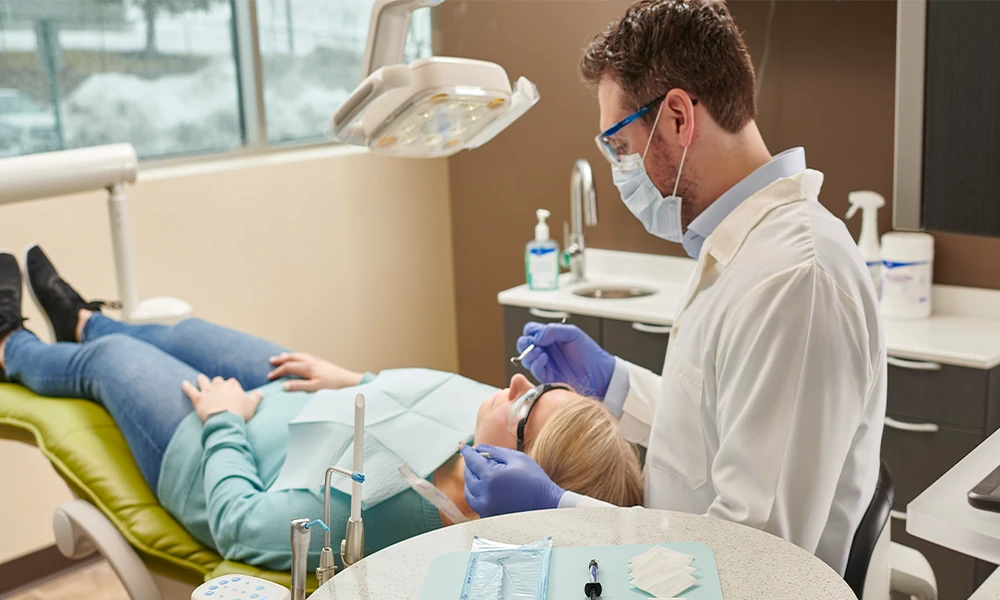
You might be wondering why your jaw feels tight, why your child’s mouth is often hanging open, or why you keep getting cavities even though you brush. It can feel confusing and a bit unfair. At our modern dental practice in Van Nuys CA, you try to do the “right” things, yet something still seems off with your teeth, your bite, or even your sleep.end
Because of this tension, you might start to worry. Is it something you missed when you were younger. Is it too late to fix. Is this going to turn into expensive treatment down the road. The stress is real, and it is very common.
Here is the short version. How you hold your tongue, lips, and jaw when you are not thinking about it, also called oral posture, quietly shapes your dental health over time. When oral posture is healthy, it supports preventive dental care. When it is not, it can slowly push teeth out of place, dry your mouth, and set you up for more dental work later. The good news is that awareness, early action, and regular care with a general dentist can change the story from “constant problems” to “steady control.”
What is oral posture and why does it matter for everyday dental health
Oral posture is simply the resting position of your tongue, lips, and jaw when you are not eating, talking, or laughing. A healthy pattern usually looks like this. Lips closed gently. Teeth lightly apart or just barely touching. Tongue resting against the roof of the mouth, not down on the floor or pushing on the teeth.
When this position is off, it is often part of what speech and dental professionals call orofacial myofunctional disorders. That might sound technical, but it covers things like chronic mouth breathing, tongue thrust when swallowing, or a tongue that never seems to rest in the right place. These patterns are common in children, but adults can have them too.
So where does that leave you. If oral posture is not ideal, a few things can happen over time. The tongue may push teeth forward or apart. The upper jaw may not grow as wide as it should. The mouth may dry out because you breathe more through your mouth than your nose. All of this can raise your risk of cavities, gum inflammation, and even jaw pain, which makes preventive care harder and more expensive.
How poor oral posture turns into real problems at the dentist
Think about a child who sleeps with an open mouth and snores. Their parents may notice crooked teeth appearing early, dark circles under the eyes, or trouble focusing during the day. The child brushes quickly before bed, but because the mouth is dry most of the night, the natural protection from saliva is weaker. Cavities appear at almost every checkup. The parents feel frustrated and guilty, even though they are trying.
Or imagine an adult who clenches their jaw and keeps their tongue low and tense. They wake with headaches and feel clicking in the jaw. Because their posture is off, they might grind their teeth more and wear them down faster. Even with regular cleanings, they may need fillings, night guards, or eventually bigger procedures to repair damage.
This is where the emotional and financial side shows up. Each new cavity or cracked filling means another appointment, another bill, another chunk of time off work or school. It can feel like you are always reacting to problems instead of preventing them. You might even start to dread your preventive visits, because they never feel “preventive” at all.
The solution is not blame. It is connection. When a general dentist understands the connection between oral posture and preventive care, they can look beyond the single cavity and ask different questions. How does your child breathe at night. Where does your tongue rest. Do your lips close comfortably. This broader view opens the door to earlier, simpler steps instead of waiting until braces or major restorative work are the only options.
What does the research say about oral posture and prevention
Research in this area continues to grow. For example, studies have begun looking at how tongue position, airway health, and growth of the jaws relate to dental crowding, sleep quality, and even behavior. One recent publication in PubMed examined aspects of tongue posture and its influence on dental arches and bite patterns. You can explore that research through this scientific summary on oral posture and dental development.
While the details can be technical, the practical takeaway is simple. The way the muscles of the face and mouth work together affects how teeth line up, how stable orthodontic results are, and how easy it is to maintain good oral hygiene. In other words, good oral posture supports preventive dentistry. Poor posture makes prevention an uphill climb.
Comparing “just brushing” with posture aware preventive dental care
You might be thinking, “I already brush and floss. What would change if we paid attention to oral posture too.” It helps to see the difference side by side.
| Approach | What You Focus On | Short Term Outcome | Long Term Impact |
|---|---|---|---|
| Brushing and flossing only | Cleaning teeth twice a day, maybe using mouthwash, occasional dental visits | Reduced plaque and fresher breath, but issues like mouth breathing or tongue thrust persist | Higher risk of crowded teeth, repeat cavities, gum problems, and more complex treatment later |
| Posture aware preventive care | Brushing and flossing plus checking tongue position, lip seal, breathing, and jaw comfort | Cleaner mouth, more moisture from nasal breathing, early detection of harmful habits | Better tooth alignment, fewer new cavities, more stable results after orthodontics, lower overall treatment costs |
| Posture training with professional guidance | Working with a general dentist and possibly a myofunctional therapist on habit change | Structured exercises, clearer plan, support for behavior change | Improved airway function, healthier bite, more comfortable jaw, easier daily home care |
This is why many families are starting to ask their general dentist not just about cleaning and fillings, but also about oral posture and dental health. It shifts care from chasing problems to shaping healthier patterns early.
Three practical steps you can start right now
1. Do a simple “resting mouth” check
When you or your child are relaxed, notice the resting position of the mouth. Are the lips gently closed without strain. Is breathing happening mostly through the nose. Can the tongue rest comfortably on the roof of the mouth, behind the front teeth but not pressing on them. If the lips stay open, the tongue feels “stuck” low, or breathing is mostly through the mouth, that is useful information to share with your dentist.
2. Bring up oral posture at your next preventive visit
At your next appointment with a general dentist, speak up. You might say, “I have been noticing more mouth breathing and I am wondering how that affects our dental health” or “Can you check my child’s tongue and jaw posture during this exam.” A dentist who understands the link between oral posture and preventive dental care can screen for problems, watch growth patterns, and, when needed, suggest further evaluation with professionals who treat orofacial myofunctional disorders.
3. Support small daily habits at home
Healthy posture often starts with simple, repeated habits. Encourage nasal breathing when possible. Work with your child on a gentle “lips together, tongue up” reminder during calm moments, not as a criticism. Make bedtime routines calm so clenching and grinding are less likely. Combine these habits with consistent brushing, flossing, and regular cleanings. Over time, these quiet choices can reduce the need for emergency visits and rushed decisions.
Moving forward with more confidence and less stress
You do not have to become an expert in anatomy to benefit from this. You only need to be curious, pay attention, and partner with a general dentist who is willing to look at the bigger picture. When you understand that posture, breathing, and muscle habits all influence your teeth and gums, your preventive care stops feeling like a guessing game and starts to feel like a plan.
It is completely normal to feel worried when you hear new terms or realize that patterns may have been present for years. What matters most is what you do next. Notice the resting mouth posture. Ask questions at your next preventive visit. Be open to guidance, whether that means simple home changes or a referral for more detailed help with oral function.
You deserve a future with fewer surprises in the dental chair, more comfort day to day, and a clearer sense that your efforts at home are actually working. Paying attention to oral posture is one quiet, powerful way to support that future through steady, thoughtful preventive dental care.
