

Many patients feel anxious when a doctor recommends an endoscopy because they are unsure about both the procedure and the possible expenses involved. Understanding the endoscopy cost in Singapore can help patients prepare financially and make informed healthcare decisions. While prices may vary between healthcare providers, the total amount usually depends on the type of procedure, sedation, facility fees, and whether additional tests are required during the examination.
What Is an Endoscopy?
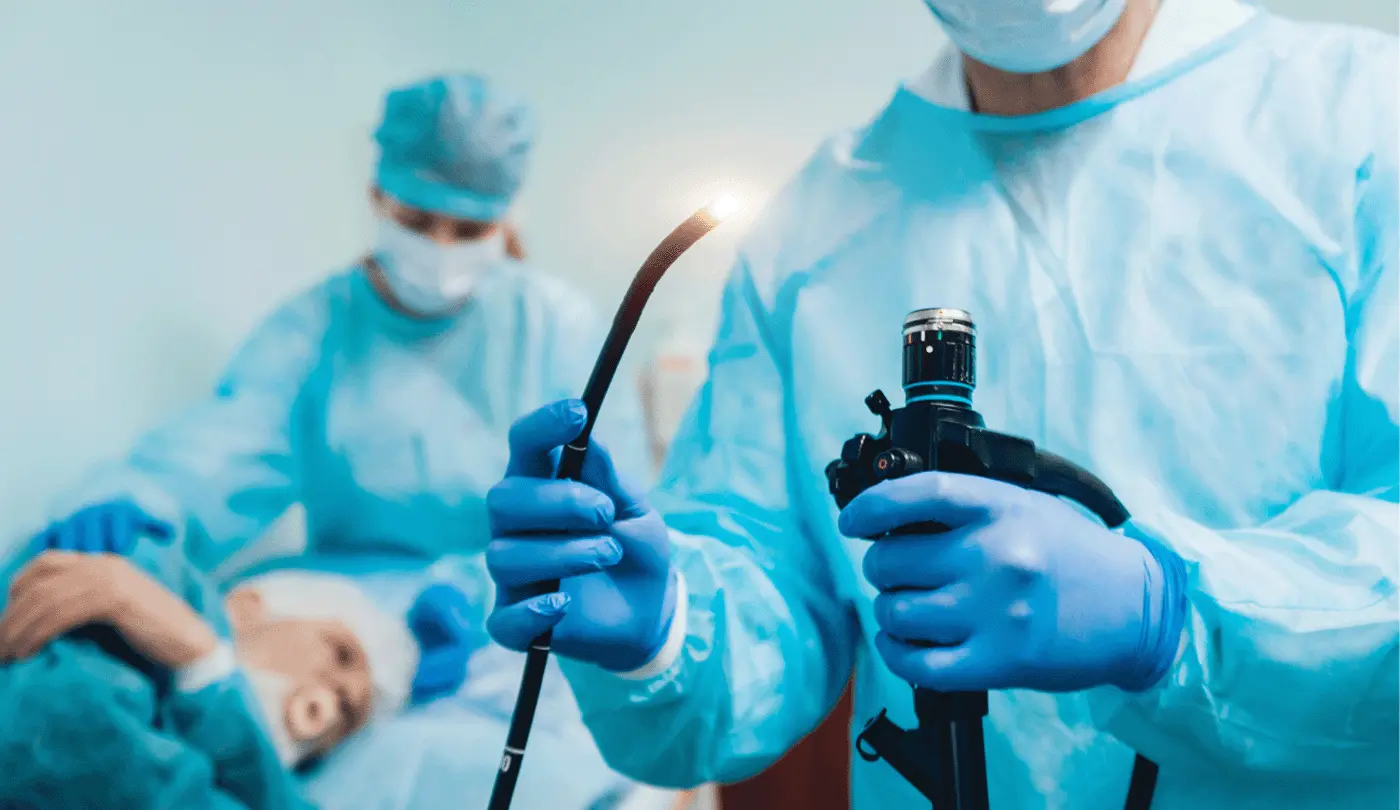
An endoscopy is a medical procedure that allows doctors to examine the digestive tract using a flexible tube fitted with a small camera and light. The procedure helps identify digestive problems that may not be visible through physical examination alone.
Doctors often recommend endoscopy for patients who experience persistent symptoms such as stomach pain, bloating, acid reflux, nausea, vomiting, swallowing difficulties, or unexplained gastrointestinal bleeding. The procedure can help diagnose ulcers, inflammation, infections, polyps, and even early signs of cancer.
There are different forms of endoscopy. Gastroscopy focuses on the upper digestive tract, including the esophagus and stomach, while colonoscopy examines the large intestine. Some patients may require both procedures during the same session for a more complete evaluation.
Most endoscopy procedures are minimally invasive and are usually completed within a short period. Patients are commonly discharged on the same day after recovering from sedation.
Factors That Affect the Cost
The overall endoscopy cost in Singapore can vary significantly depending on several important factors. Understanding these factors allows patients to better estimate their potential medical expenses.
Type of Procedure
The type of endoscopy performed has a direct impact on the final bill. A gastroscopy is generally less expensive than a colonoscopy because colonoscopy often requires additional preparation and may take longer to complete.
Combined procedures naturally cost more because they involve additional equipment, medications, and monitoring during the examination.
Public vs Private Healthcare
Patients in Singapore may choose between public hospitals and private healthcare providers. Public hospitals usually offer more affordable pricing, especially for subsidised patients. However, waiting times may be longer depending on appointment demand.
Private hospitals and specialist clinics often provide faster scheduling, shorter waiting periods, and more personalised care. These conveniences may contribute to a higher endoscopy cost compared to subsidised public healthcare services.
Sedation and Anaesthesia
Many patients choose sedation to remain comfortable during the procedure. Sedation fees can increase the overall cost because medications and monitoring equipment are required throughout the examination.
In some cases, an anaesthetist may be involved if deeper sedation is preferred. This may further increase the total medical bill.
Additional Testing and Biopsies
Doctors sometimes collect tissue samples during endoscopy if they detect abnormalities such as ulcers, inflammation, or suspicious growths. These biopsies are sent for laboratory analysis, which adds extra charges to the final bill.
If polyps are removed or other therapeutic procedures are performed during the examination, patients may also face additional treatment fees.
Can Insurance or Medisave Be Used?
Many Singaporeans use Medisave to offset medical expenses associated with endoscopy procedures. Depending on the medical reason for the examination and the healthcare institution selected, patients may be eligible to claim part of the endoscopy cost through Medisave.
Private insurance plans may also provide coverage if the procedure is considered medically necessary. Coverage differs between insurance providers and policy types, so patients should verify the details of their plans before booking an appointment.
Some clinics and hospitals also offer direct billing services, which may simplify payment arrangements for insured patients.
Why Endoscopy Is Important
Although some patients hesitate because of financial concerns, endoscopy remains an important diagnostic tool for detecting digestive conditions early. Delaying evaluation may allow certain medical conditions to worsen over time.
Endoscopy helps doctors identify ulcers, infections, chronic inflammation, polyps, and early-stage cancers before symptoms become severe. Early detection often improves treatment outcomes and may reduce the risk of complications later.
Understanding the medical value of the procedure may help patients feel more confident despite concerns about the endoscopy cost.
Tips Before Scheduling the Procedure
Patients should compare clinics carefully before making a final decision. Lower advertised prices may not always include consultation fees, sedation, medications, biopsy analysis, or follow-up appointments.
Requesting a detailed quotation beforehand can help patients understand exactly what services are included in the package. Patients should also ask about insurance claims, Medisave eligibility, and potential additional fees if biopsies or treatments become necessary during the procedure.
Choosing an experienced doctor and a reputable healthcare facility may also improve patient comfort and overall experience during the examination.
Conclusion
Understanding medical pricing does not have to be complicated. The total endoscopy cost in Singapore depends on factors such as the procedure type, healthcare provider, sedation, and additional testing performed during the examination.
While costs may vary between clinics and hospitals, endoscopy remains a valuable procedure for diagnosing digestive conditions and supporting early treatment. With proper preparation and clear communication with healthcare providers, patients can better manage the financial aspect of the procedure and focus on maintaining their digestive health.
